
Why Creative Writing Matters in 2026
Screens are everywhere, and with AI now assisting or automating everything from search results to bedtime stories, original thought risks getting drowned out. That’s where writing comes in. When kids sit down to craft stories, they’re doing more than just filling a page they’re rehearsing how to think for themselves. They’re choosing words, shaping characters, building worlds. That’s creative muscle memory, and it matters.
Writing also gives kids space to process big emotions in a low pressure way. A journal entry about a tough day, a story about a nervous superhero it all helps build emotional language alongside confidence. Bonus: every sentence strengthens literacy without turning into a chore. It’s reading, writing, and self discovery rolled into one.
And the kicker? Imagination taught on paper doesn’t stay there. Problem solving, collaboration, resilience these are lifelong skills rooted in the ability to imagine new outcomes. Whether a kid becomes a writer, engineer, or digital artist down the road, it starts with a blank page today.
Real Life With a Twist
Sometimes, the most exciting stories come from flipping the ordinary on its head. Kids thrive when given a familiar setting but with one unexpected change. These prompts are built to spark imagination right from the first sentence, blurring the line between what is and what could be.
Take a world where gravity stops working for a day. Is it chaos or adventure? Kids start thinking about how cities, schools, and relationships would adjust in a place where the rules don’t apply. Or, picture a whole town waking up with superpowers. It’s fun, yes but also a chance to explore responsibility, empathy, and consequences.
The prompt about switching lives with a beloved book character gives kids a gateway to deeper thinking. What makes that character’s world so magnetic? How would they handle the unexpected challenges that come with new roles and settings?
These twists aren’t just entertaining they help kids develop flexible thinking and empathy. Real learning often hides inside stories that feel just a little bit impossible.
Learning Through Play: A Writing Boost
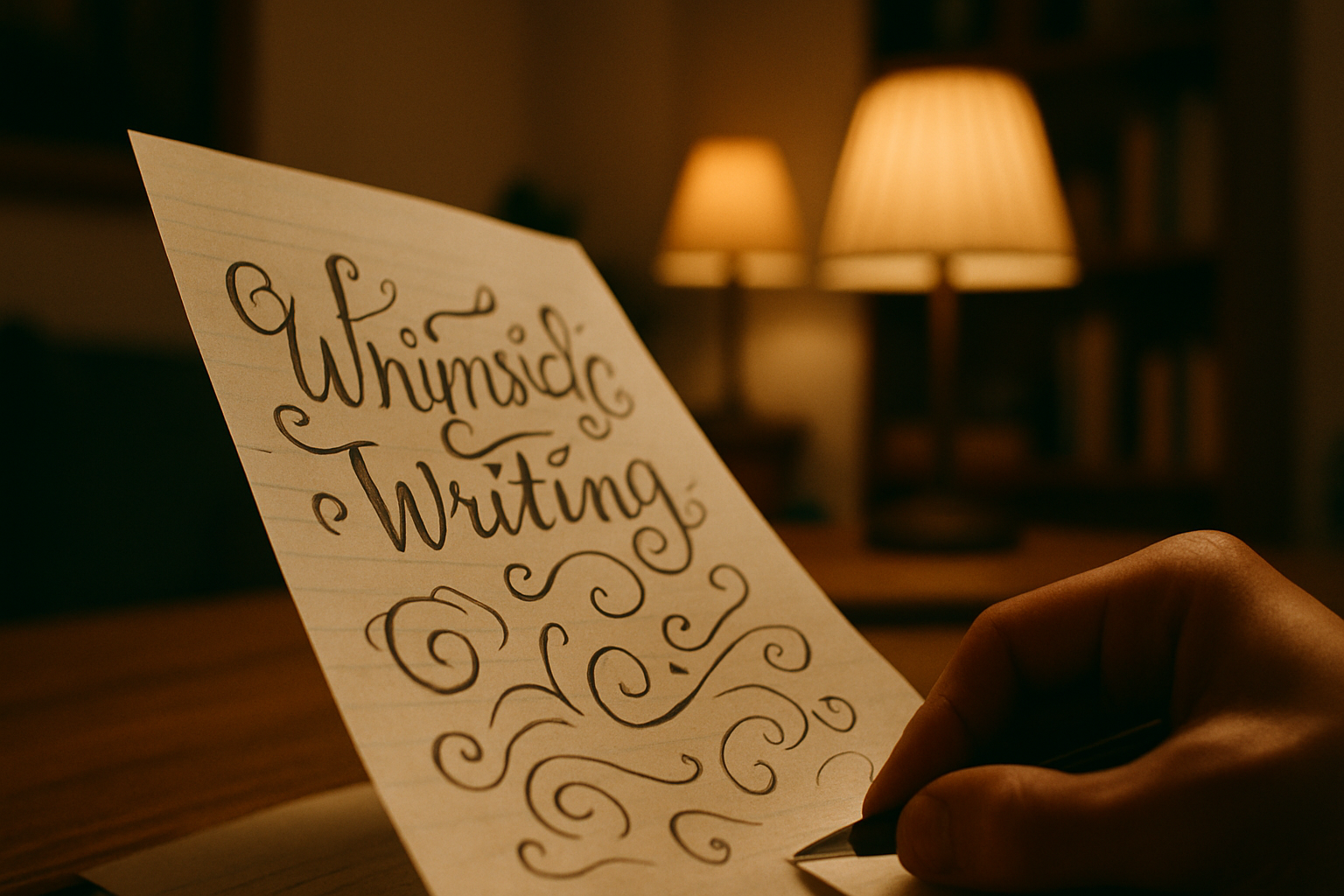
Writing doesn’t have to start with a blank page. For many kids, it starts with play. Costumes, toy figures, or even a cardboard box can shift a child’s mindset from “assignment” to “adventure.” Build a fort, stage a mini scavenger hunt, or let them act out scenes before picking up a pencil. The goal isn’t perfection it’s activation.
Drawing is another powerful icebreaker, especially for younger kids. Let them sketch a character or a setting first. Once they’ve visualized it, words follow more easily. It’s not just about writing stories; it’s about living them first.
Project based learning works well, too. Combine science, history, or art with writing to create fictional field reports, time traveler journals, or explorer diaries. These layered activities naturally lead to storytelling without forcing it.
For more inspiration, explore Learning Through Play: DIY Educational Games.
Keeping the Momentum Alive
Creativity fades fast if it’s treated like work. That’s why one of the simplest but most effective strategies is to carve out a weekly slot just for imagination. No red pens. No pressure. This is where kids get to explore ideas they care about, try weird plot twists, or invent their own rules. It’s play disguised as writing and it works.
Once they’ve written something, don’t let it live in a notebook graveyard. Encourage them to read their creations aloud at dinner or record a voice memo to share with grandparents or cousins. Story sharing gives their work purpose and brings a feeling of pride that fuels the next idea.
Finally, let grammar take a backseat. Perfection is not the point progress and expression are. Celebrate bold ideas and messy first drafts. That space to take creative risks without fear? That’s where confidence is built.
 Veslina Elthros is the kind of writer who genuinely cannot publish something without checking it twice. Maybe three times. They came to family activities and bonding ideas through years of hands-on work rather than theory, which means the things they writes about — Family Activities and Bonding Ideas, Child Development Resources, Parenting Tips and Advice, among other areas — are things they has actually tested, questioned, and revised opinions on more than once.
That shows in the work. Veslina's pieces tend to go a level deeper than most. Not in a way that becomes unreadable, but in a way that makes you realize you'd been missing something important. They has a habit of finding the detail that everybody else glosses over and making it the center of the story — which sounds simple, but takes a rare combination of curiosity and patience to pull off consistently. The writing never feels rushed. It feels like someone who sat with the subject long enough to actually understand it.
Outside of specific topics, what Veslina cares about most is whether the reader walks away with something useful. Not impressed. Not entertained. Useful. That's a harder bar to clear than it sounds, and they clears it more often than not — which is why readers tend to remember Veslina's articles long after they've forgotten the headline.
Veslina Elthros is the kind of writer who genuinely cannot publish something without checking it twice. Maybe three times. They came to family activities and bonding ideas through years of hands-on work rather than theory, which means the things they writes about — Family Activities and Bonding Ideas, Child Development Resources, Parenting Tips and Advice, among other areas — are things they has actually tested, questioned, and revised opinions on more than once.
That shows in the work. Veslina's pieces tend to go a level deeper than most. Not in a way that becomes unreadable, but in a way that makes you realize you'd been missing something important. They has a habit of finding the detail that everybody else glosses over and making it the center of the story — which sounds simple, but takes a rare combination of curiosity and patience to pull off consistently. The writing never feels rushed. It feels like someone who sat with the subject long enough to actually understand it.
Outside of specific topics, what Veslina cares about most is whether the reader walks away with something useful. Not impressed. Not entertained. Useful. That's a harder bar to clear than it sounds, and they clears it more often than not — which is why readers tend to remember Veslina's articles long after they've forgotten the headline.