
Why Milestones Matter
Developmental milestones aren’t just checkboxes they’re signposts. They give caregivers and professionals a basic map of how kids typically grow and change. These early benchmarks reveal how a child is building skills across four main areas: physical (like crawling or walking), cognitive (thinking and problem solving), social emotional (bonding, play, empathy), and language (sounds, words, basic sentences).
Tracking these areas consistently doesn’t mean turning parenting into a science project. It means noticing patterns and being in tune with your child’s pace. While every child grows on their own timeline, regular milestone check ins can spotlight delays early, giving families time to respond with support, not panic. Catching things early often means better outcomes and more confidence for parents down the road.
0 12 Months: Infant Milestones
The first year is all about big shifts in small bodies. Physically, most babies begin by learning to hold their heads up, then move on to rolling over, sitting without support, and crawling. These milestones aren’t just cute they build the strength and coordination needed for future skills like walking and climbing.
Sensory and emotional markers matter just as much. Look for steady eye contact, which signals visual tracking and the beginnings of social connection. Babies also start tuning into familiar faces and voices, showing joy when bonded caregivers are near. This is early emotional wiring in action bonding builds secure attachment and a sense of safety.
Communication starts long before real words. Babies coo, babble, and mimic sounds, testing how far their little voices can go. These early vocalizations are the building blocks of language, helping your child prepare for first words and beyond. Every gesture, squeal, and bubble is part of the learning curve.
Explore our detailed development guideline
1 3 Years: Toddler Milestones
The toddler years are fast moving and full of surprises. One day it’s babble, the next your child is putting two words together. In terms of cognitive growth, this stage brings major leaps. Toddlers start to recognize familiar faces and places, remember simple routines, and even solve basic problems like how to stack blocks to reach a toy.
Language starts small but picks up fast. First words roll into simple phrases: “more juice” or “mama sit.” It’s not polished, but it’s communication and that opens doors to social growth. Speaking of social, toddlers begin engaging in parallel play. They might not be playing with other kids just yet, but they’re watching, learning, and sharing space. It’s the groundwork for future relationships.
Physically, this is when mobility takes off. Expect walking, running, climbing onto the couch, and making a mess with spoons and forks. The coordination isn’t perfect but it’s improving every single day.
Need a deeper dive with tips tailored to your child’s age? Get tailored insights in our development guideline.
3 5 Years: Preschool Milestones
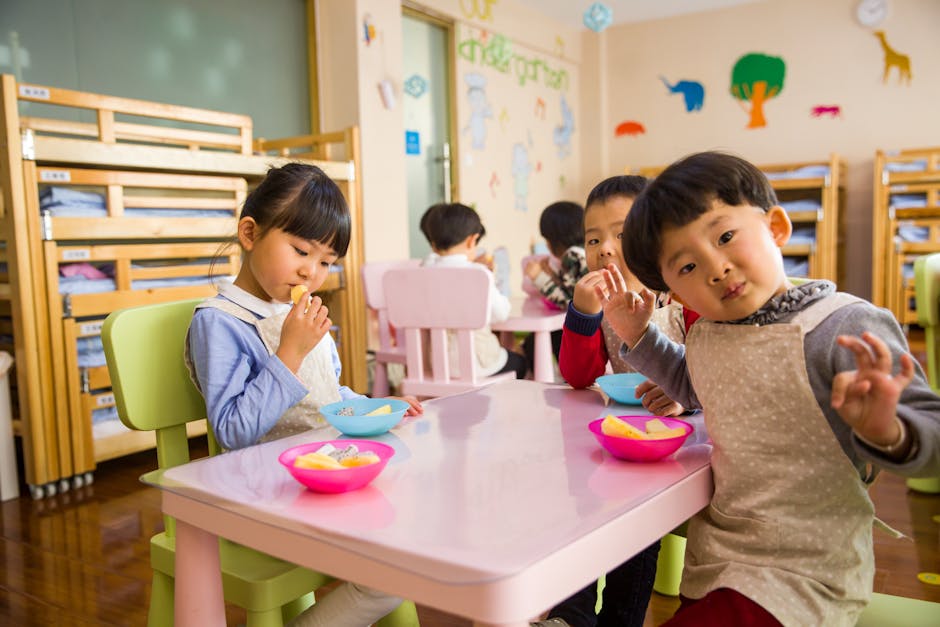
This stage is all about connection, curiosity, and coordination. Kids between three and five start to see themselves as part of a larger world. Emotionally, empathy and cooperation begin to show up in meaningful ways from sharing toys to comforting a friend who’s upset. Group play becomes richer, with children learning roles, rules, and the give and take that comes with socializing.
Language is taking off fast. Expect a surge of new words and the ability to string together long, often surprisingly detailed sentences. You’ll hear questions lots of them. Why is the sky blue? Why do dogs bark? It’s not just chatter; it’s logic emerging in real time.
Motor development also kicks up a notch. At this age, kids typically learn how to dress themselves (or at least give it a valiant try), draw recognizable shapes, and pedal a tricycle on their own. These physical gains match the mental leaps, reflecting a brain and body gaining confidence in sync.
This window sets the foundation for school readiness, stronger relationships, and lifelong learning habits. Missed milestones aren’t the end of the road, but they’re worth noting. When in doubt, check in with a pediatrician.
5 8 Years: Early School Age
By this stage, kids are stepping into the structured world of school and a new layer of development kicks in. Academically, most children are learning to read with fluency, count beyond 20, and spot patterns in numbers and language. It’s less about rote memorization now and more about starting to think critically. If they’re asking more questions than you can answer, you’re on the right track.
Emotionally, they’re developing the tools to manage frustration, follow rules even when no one’s watching, and form deeper friendships. This is where confidence begins to bloom or buckle. A little encouragement during meltdowns and social setbacks can go a long way. They’re learning not just who they are, but how they belong.
Responsibility also enters the picture in a bigger way. Kids at this age can carry their own backpacks, remember homework (most of the time), and follow routines like brushing teeth before bed or laying out clothes for school. They’re not mini adults, but these habits build the groundwork for time awareness and self discipline. It’s not about getting it perfect it’s about showing up and trying, consistently.
Using Checklists Effectively
Tracking your child’s development doesn’t have to mean memorizing exhaustive charts. Start simple: a blank notebook, a milestone tracking app, or the forms your pediatrician gives at well child visits. Pick one and stick with it. Consistency beats complexity.
If something feels off maybe your child isn’t hitting a milestone within the expected range or suddenly regresses pause and note it. Don’t default to panic. Kids progress in fits and starts. But if your instinct is nudging you more than occasionally, it’s time to raise the flag.
That’s where your pediatrician comes in. They’re not just there for fevers and check ups. Share your observations. Ask your questions, even if they feel small.
Most importantly: checklists are tools, not verdicts. They help illuminate patterns and windows of development. They don’t account for every strength, every quirk, or every detour. Stay curious, stay steady, and let your child lead milestones are markers, not measures of worth.
Encourage, Don’t Compare
Not every child hits milestones at the same moment and that’s not just normal, it’s expected. Growth doesn’t follow a strict script. Some toddlers talk in full sentences early, others focus on motor skills before language. Your job isn’t to push but to observe, support, and adapt.
Creating a supportive environment starts with knowing your child not someone else’s checklist. Give them time to try new things, make mistakes, and gain confidence in their own way. Whether it’s stacking blocks or navigating social play, encouragement not pressure builds lasting progress.
As a caregiver, your role shifts with each stage. For infants, it’s providing comfort and consistency. With preschoolers, it’s about guiding without smothering. In school age years, it becomes listening, cheering them on, and quietly adjusting the path when needed. Transitions aren’t always smooth, but your steady presence helps shape resilience. Small, calm support. Every step counts.
Stay Informed and Confident
Child development doesn’t follow a script but having a reliable reference point helps. Bookmark and revisit this helpful development guideline as your go to tool. It breaks down growth stages in plain terms and keeps you grounded when questions come up.
Most of all, commit to staying present. You won’t catch every milestone the moment it happens, and that’s okay. What matters is showing up watching, listening, and adjusting. Be proactive when something feels off, keep your patience when progress slows, and trust your gut as much as the guidebook. Raising a child isn’t a race; it’s a partnership that evolves daily.
 Veslina Elthros is the kind of writer who genuinely cannot publish something without checking it twice. Maybe three times. They came to family activities and bonding ideas through years of hands-on work rather than theory, which means the things they writes about — Family Activities and Bonding Ideas, Child Development Resources, Parenting Tips and Advice, among other areas — are things they has actually tested, questioned, and revised opinions on more than once.
That shows in the work. Veslina's pieces tend to go a level deeper than most. Not in a way that becomes unreadable, but in a way that makes you realize you'd been missing something important. They has a habit of finding the detail that everybody else glosses over and making it the center of the story — which sounds simple, but takes a rare combination of curiosity and patience to pull off consistently. The writing never feels rushed. It feels like someone who sat with the subject long enough to actually understand it.
Outside of specific topics, what Veslina cares about most is whether the reader walks away with something useful. Not impressed. Not entertained. Useful. That's a harder bar to clear than it sounds, and they clears it more often than not — which is why readers tend to remember Veslina's articles long after they've forgotten the headline.
Veslina Elthros is the kind of writer who genuinely cannot publish something without checking it twice. Maybe three times. They came to family activities and bonding ideas through years of hands-on work rather than theory, which means the things they writes about — Family Activities and Bonding Ideas, Child Development Resources, Parenting Tips and Advice, among other areas — are things they has actually tested, questioned, and revised opinions on more than once.
That shows in the work. Veslina's pieces tend to go a level deeper than most. Not in a way that becomes unreadable, but in a way that makes you realize you'd been missing something important. They has a habit of finding the detail that everybody else glosses over and making it the center of the story — which sounds simple, but takes a rare combination of curiosity and patience to pull off consistently. The writing never feels rushed. It feels like someone who sat with the subject long enough to actually understand it.
Outside of specific topics, what Veslina cares about most is whether the reader walks away with something useful. Not impressed. Not entertained. Useful. That's a harder bar to clear than it sounds, and they clears it more often than not — which is why readers tend to remember Veslina's articles long after they've forgotten the headline.