
Understanding Early Development
Monitoring early childhood milestones isn’t about comparing children it’s about understanding each child’s unique progress within expected developmental patterns. Tracking milestones helps parents, caregivers, and educators support a child’s growth and catch potential concerns early.
Why Tracking Milestones Matters
Milestone checklists give insight into how a child is developing in areas such as motor skills, language, social interaction, and emotional regulation.
Key reasons to track milestones:
Provides a roadmap for what to expect at each age
Helps caregivers recognize healthy growth vs. potential delays
Encourages timely support and positive parenting strategies
Strengthens communication with pediatricians and educators
Age Based Patterns with Natural Variation
Child development typically follows a predictable sequence. However, not all children reach each milestone at the exact same age. Some areas may develop faster than others, depending on the child.
Common patterns include:
Language skills building from single words to full sentences
Fine and gross motor abilities progressing from crawling to coordinated play
Growing social awareness from solitary play to cooperative games
It’s normal for some children to excel in one area while taking more time in another.
Red Flags vs. Normal Variation
While variation is expected, certain signs may indicate the need for professional guidance. Recognizing red flags early allows for quicker interventions and improved outcomes.
Signs to monitor:
Not responding to name by 12 months
No clear words by 18 24 months
Lack of eye contact or engagement
Significant delays in movement or coordination
Trouble interacting with caregivers or peers
If concerns arise, it’s important to consult a pediatrician or early childhood specialist. Early support can make a lasting difference.
For detailed checklists and guidance by age, consult the complete child milestone guide.
Age 1: Building the Basics
At age one, your child is busy laying down the foundation blocks for everything that comes next. Physically, many are pulling up, standing on their own, and taking shaky steps with support some might even be brave enough to toddle a few steps alone. It’s not a race, though. Balance and strength take time to build.
Language is also starting to take shape. You’ll hear early words like “mama,” “dada,” or maybe a pet’s name. The key here isn’t volume, it’s intent they’re beginning to connect sounds with meaning. Pay attention to whether your child responds to their name or mimics your tone. That’s communication in action, even if the vocabulary is still small.
Social development is subtle but important. Babies this age often imitate gestures (like clapping or waving) and show recognition of familiar people. These interactions signal emotional bonds and social understanding starting to click into place.
To encourage progress, get on the floor. Play. Talk. Point at things. React when they babble or reach. The goal isn’t perfection it’s presence. Small, consistent input goes a long way. And if you’re unsure what to expect or support, consult this child milestone guide. It’s straightforward, grounded, and built for real life parenting.
Age 2: Rapid Growth and Exploration
By age two, most toddlers are moving with confidence. Walking independently is usually solid by this stage, and climbing on furniture (or anything else they can find) becomes a daily workout for them and for their caregivers. Their growing physical skills bring more exploration, more bumps, and a whole lot more independence.
Language starts to unlock in a big way. Two word combos like “want juice” or “go park” show they’re stringing thoughts together. It’s also common to hear them name everyday items dog, ball, car as their vocabulary expands at a fast clip. They’re not just repeating; they’re recognizing and labeling their world.
Cognitive play takes a leap too. You’ll start to see signs of imagination pretending to feed a doll, using a block as a phone. It’s basic, but it’s foundational. They’re not just reacting anymore; they’re creating.
Socially, the push for independence ramps up. They may insist on trying everything themselves. They’ll likely begin parallel play playing near other kids rather than with them. It’s a stepping stone to future social skills.
Signs of steady progress include steady walking, growing vocabulary, frequent pretend play, and independent streaks. If those skills seem notably absent or if they regress it could be time to speak with a pediatrician.
Age 3: Imagination and Interaction
By age 3, children begin transforming everyday activities into imaginative experiences. Their motor skills become stronger, language more expressive, and emotions increasingly complex. Supporting their development at this stage means encouraging exploration while setting emotional and behavioral boundaries.
Physical Milestones
Children at this age show significant improvement in coordination and physical control:
Pedal tricycles with increasing confidence
Climb playground structures with agility
Walk up and down stairs using one foot per step
Communication and Language
Speech development takes a noticeable leap forward:
Carry on simple conversations
Ask short questions (“Why is that?”, “Where did it go?”)
Use plurals and pronouns appropriately (“dogs,” “they”)
Emotional Milestones
Three year olds are learning to navigate relationships and ownership:
Begin to understand concepts like “mine” and “theirs”
Show a wider range of emotions, including empathy
Express likes and dislikes more clearly
Supporting Play and Emotional Growth
Active play and emotional learning go hand in hand during this stage. Parents and caregivers can foster healthy development by:
Providing space and time for pretend play (dress up, dolls, role play)
Encouraging turn taking and group play with peers
Naming emotions during interactions to help children recognize their feelings
Reading books that explore social skills and emotional understanding
Age 3 is a foundational year where imagination becomes a powerful tool for learning. By nurturing creativity and guiding emotional responses, caregivers help children gain confidence and navigate new social landscapes.
Age 4: Questioning Everything
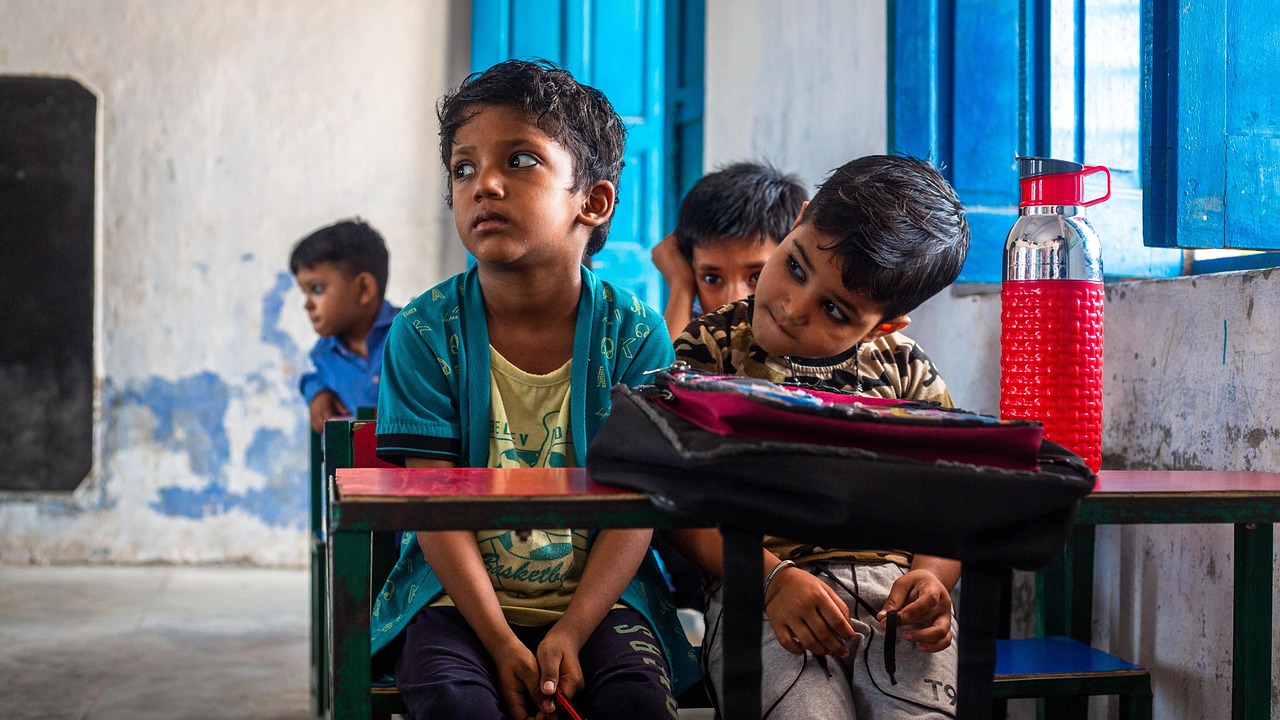
By age four, kids are talking up a storm and they’re not just naming things, they’re telling stories. This is the stage when vocabulary takes off and language begins to carry nuance. You’ll hear them stringing events together, using imagination to fill in gaps, and asking endless “why” questions. Don’t shut it down. Feed it. These early narrative skills are the groundwork for reading comprehension and critical thinking later on.
Physically, four year olds are refining coordination. Hopping on one foot, catching a gently tossed ball, and navigating playground equipment with more ease all show better balance and motor control. Give them space to test limits, but keep it safe. Practice matters more than perfection.
Socially, the shift is real. Parallel play starts giving way to true interaction kids take turns, share (sometimes), and even work toward shared goals. It’s not always smooth, but it’s a key time to teach cooperation through routines and role modeling.
You’ll also start getting glimpses of emotional growth. Kids at this age can talk about feelings, understand rules, and take on small responsibilities. Let your child carry their own backpack, feed a pet, or help with cleanup. These moments build confidence and empathy.
Age four isn’t just about growth it’s about connection. They’re learning who they are in the world, and your job isn’t to micromanage it’s to guide, step back when needed, and keep showing up.
Age 5: Getting School Ready
By age five, kids are gearing up for school and it shows. Fine motor skills get sharper. Most can hold a pencil with control, cut along lines with scissors, and manage buttons or zippers on their own. It’s not about perfection; it’s about independence.
Language also takes off. Children start telling full, coherent stories sometimes with a surprising amount of detail. They’re better at taking turns in conversation and answering basic questions without being prompted.
Curiosity kicks into high gear. You’ll see them asking more complex questions, making predictions, and trying to solve small problems with logic. This is the age where puzzles, simple board games, and cause effect toys shine.
Academically, kids begin to grasp shapes, numbers, and the alphabet. They might not be reading or doing math just yet, but they’re laying solid groundwork.
For a full list of what to watch for (and how to support it), check out the complete checklist at the child milestone guide.
When to Seek Help
Not every child hits milestones at the same time. But there are red flags parents and caregivers shouldn’t ignore. If a toddler isn’t walking by 18 months, has little or no speech by age 2, avoids eye contact, doesn’t respond to their name, or loses skills they once had these could be signs that something deeper is going on. Gut feelings matter too. If something seems off, it’s worth paying attention.
Early intervention isn’t just helpful it’s powerful. Catching developmental delays early can reshape a child’s path. With the right support, many kids can close gaps and thrive, especially in areas like speech, motor skills, and social connection. The earlier you start, the better the odds.
Don’t wait for someone else to bring it up. As a caregiver, you can and should advocate for your child. Talk honestly with your pediatrician. Request a formal developmental screening if needed. If you’re unsure where to start, your state’s early intervention program can guide you through the process and connect you with services that fit your child’s needs.
No shame. No blame. Just forward motion.
Keep Tracking, Keep Supporting
Every step your child takes literally and figuratively is a win worth noticing. Whether it’s a first word, a strong hop on one foot, or using a fork without help, these moments matter. They’re proof of progress, and they deserve a pause.
Still, not every kid hits every milestone exactly on cue. Some walk early but talk late. Others speak in full sentences before they can jump with both feet. That’s not a problem it’s a reminder. The path is there as a guide, not a stopwatch. Use it to stay oriented, not overwhelmed.
One of the best ways to both track and support your child is to stay informed. The child milestone guide is built for that clear, realistic, and rooted in real developmental science. It helps caregivers know what’s typical, what could be a concern, and how to encourage growth without rushing it.
Bottom line: celebrate what’s going well, stay aware, and trust your instincts. Small efforts now lay strong foundations later.
 Veslina Elthros is the kind of writer who genuinely cannot publish something without checking it twice. Maybe three times. They came to family activities and bonding ideas through years of hands-on work rather than theory, which means the things they writes about — Family Activities and Bonding Ideas, Child Development Resources, Parenting Tips and Advice, among other areas — are things they has actually tested, questioned, and revised opinions on more than once.
That shows in the work. Veslina's pieces tend to go a level deeper than most. Not in a way that becomes unreadable, but in a way that makes you realize you'd been missing something important. They has a habit of finding the detail that everybody else glosses over and making it the center of the story — which sounds simple, but takes a rare combination of curiosity and patience to pull off consistently. The writing never feels rushed. It feels like someone who sat with the subject long enough to actually understand it.
Outside of specific topics, what Veslina cares about most is whether the reader walks away with something useful. Not impressed. Not entertained. Useful. That's a harder bar to clear than it sounds, and they clears it more often than not — which is why readers tend to remember Veslina's articles long after they've forgotten the headline.
Veslina Elthros is the kind of writer who genuinely cannot publish something without checking it twice. Maybe three times. They came to family activities and bonding ideas through years of hands-on work rather than theory, which means the things they writes about — Family Activities and Bonding Ideas, Child Development Resources, Parenting Tips and Advice, among other areas — are things they has actually tested, questioned, and revised opinions on more than once.
That shows in the work. Veslina's pieces tend to go a level deeper than most. Not in a way that becomes unreadable, but in a way that makes you realize you'd been missing something important. They has a habit of finding the detail that everybody else glosses over and making it the center of the story — which sounds simple, but takes a rare combination of curiosity and patience to pull off consistently. The writing never feels rushed. It feels like someone who sat with the subject long enough to actually understand it.
Outside of specific topics, what Veslina cares about most is whether the reader walks away with something useful. Not impressed. Not entertained. Useful. That's a harder bar to clear than it sounds, and they clears it more often than not — which is why readers tend to remember Veslina's articles long after they've forgotten the headline.