
Start with the Basics of Balance
In 2026, a nutritionally balanced meal still sticks to a core principle: cover your basics without going overboard. That means including protein, complex carbs, healthy fats, and fiber in proportions that support steady energy, digestion, and recovery. Your plate doesn’t need to be perfect it just needs to be honest.
Protein anchors the meal think lean meats, eggs, tofu, beans, or Greek yogurt. Complex carbs like quinoa, oats, or sweet potatoes provide fuel that lasts. Healthy fats (avocados, nuts, olive oil) carry flavor, support brain health, and keep you full. And fiber, from greens, lentils, or whole fruits, keeps everything moving and helps balance blood sugar.
Portion control still matters. Even nutrient dense food can be overdone. For most adults, half the plate should be veggies, a quarter protein, and a quarter carbs, with healthy fats added thoughtfully on top. For younger kids, smaller, snack style portions more often throughout the day tend to work better.
Hydration often gets overlooked plain water is still king. For most age groups, sipping steadily during the day beats chugging at meals.
Meal timing depends on life stage and needs. Kids and teens often need more frequent meals and snacks. Adults can usually manage three core meals. Seniors may benefit from lighter, more frequent portions. The key is consistency. Balanced doesn’t mean complicated it means intentional.
Planning for All Ages and Needs
Creating family meals that meet the nutritional needs of everyone at the table can be a challenge but it’s completely doable with a strategic approach. Whether you’re feeding toddlers, teens, adults, or seniors, thoughtful planning helps ensure everyone is well nourished without adding extra stress.
Adapting Meals Across Age Groups
Each life stage has unique nutritional needs. Use flexible base meals, then tweak portions and ingredients as needed:
Toddlers
Need small portions but packed with nutrients
Favor soft textures, finger foods, and a variety of colors
Watch for choking hazards and introduce a range of flavors early
Teens
Require more calories and protein during growth spurts
Should have energy sustaining snacks between meals
Engage them in meal planning to build awareness of nutrition
Adults
Balance is key monitor portion sizes, hydration, and healthy fats
Include high fiber foods and diverse proteins for long term health
Seniors
May need softer textures and increased calcium and vitamin D
Prioritize hydration and easy to digest options
Keep sodium and processed sugar intake low
Managing Dietary Restrictions
Feeding a family often means accommodating allergies, preferences, or medical needs. Here’s how to make room for everyone:
Common Considerations:
Gluten free, dairy free, vegetarian, and food allergy management
Cook with substitution in mind use ingredient swaps that don’t sacrifice taste or nutrition
Separate core components (e.g., grain bowls or taco bars) let each person customize their plate
Preparation Tips:
Designate safe zones in the kitchen for allergen free prep
Prep shared meals that include base proteins/carbs and build in specific dietary versions
Communicate clearly with family members about ingredients
Nutrition for Picky Eaters
It’s possible to honor preferences without compromising health:
Strategies That Work:
Serve familiar foods with one or two new items per meal
Present healthy ingredients in fun or unexpected ways (e.g., spinach in smoothies, roasted chickpeas as snacks)
Involve kids in grocery shopping and cooking the more ownership they have, the more willing they are to try new things
Avoid Food Battles:
Keep the pressure low repeated exposure often builds acceptance
Focus on variety across a full week rather than demanding every meal be perfectly balanced
Smart meal planning balances variety, personalization, and consistency making it easier to support every family member’s health without becoming overwhelmed.
Smart Grocery Shopping Strategies
Planning a full week of balanced meals doesn’t need to drain your wallet. Start by anchoring your plans around versatile, affordable staples: think brown rice, oats, lentils, frozen veggies, and canned beans. These items form the backbone of many nutritious meals and stretch across multiple days. Build your meals before you shop having a flexible plan saves you from impulse buys and food waste.
Stick to whole ingredients and shop what’s in season. Local produce costs less when it’s abundant, and it usually packs more flavor. Grab what’s on sale, then plug it into your meal rotation. For example, if carrots and cabbage are cheap, plan for roasted veggies, slaws, stir fries, and maybe a batch of soup.
When it comes to labels, don’t get fooled by buzzwords like “natural” or “low fat.” Get used to scanning the ingredients list first. Skip items where sugar is one of the top three ingredients especially “hidden” ones like glucose, maltodextrin, and fruit juice concentrate. The shorter the ingredient list, the better.
A good habit: shop the perimeter of the grocery store. That’s where you’ll find fresh produce, meats, dairy, and fewer ultra processed distractions. Buy store brands when possible they’re often produced in the same facilities as name brand equivalents and priced lower.
Finally, keep things realistic. No need for seven different dinners. Pick three or four meals that can flex across the week and get creative with leftovers. Nutritional balance isn’t about being perfect it’s about being prepared.
Meal Prep That Works in Real Life
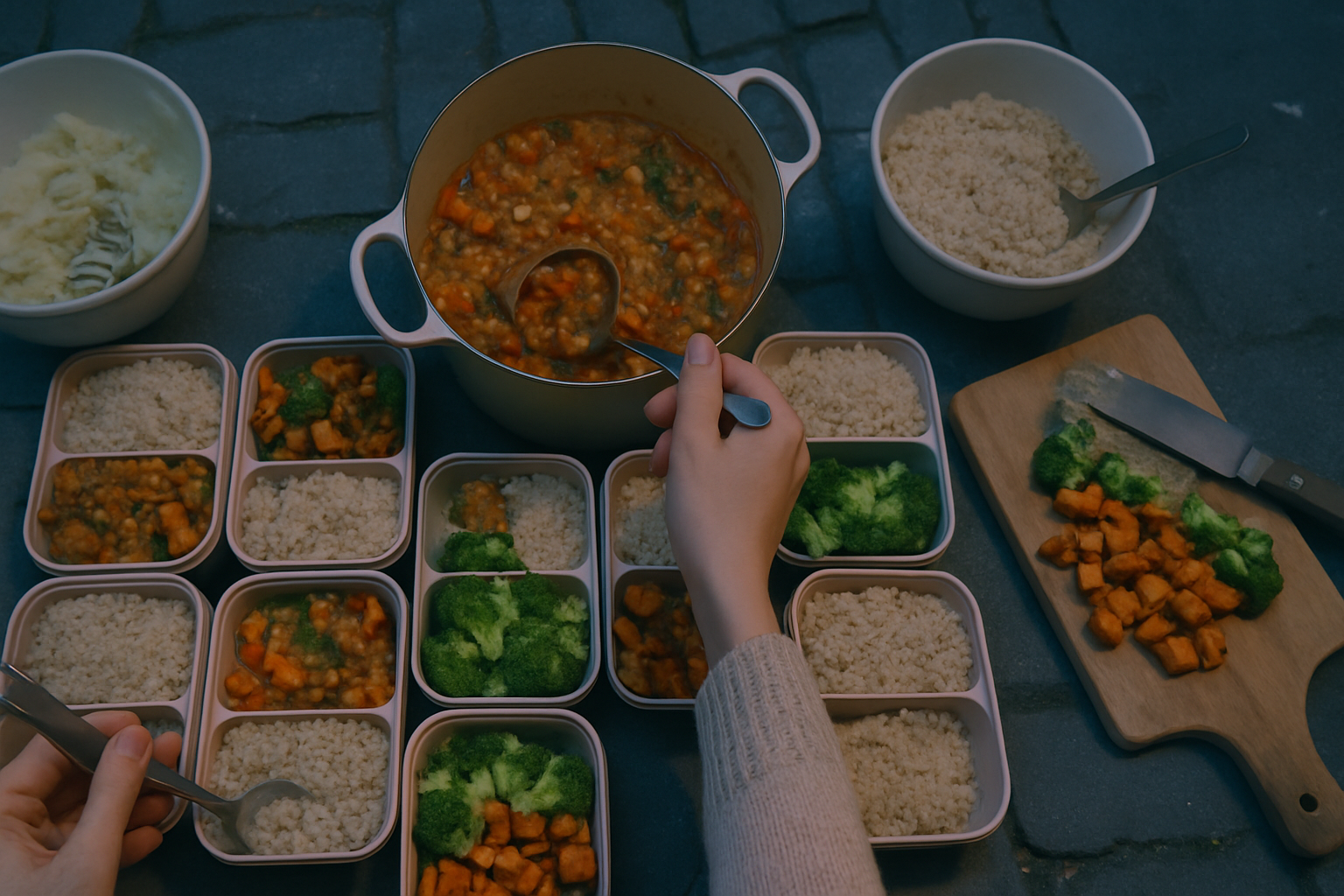
Weekday meals are where most families hit a wall, but the fix isn’t complicated it’s consistency and strategy. Start with a short list of go to meals that hit the nutrition marks and can be prepped in pieces. Think baked chicken breasts, roasted veggies, hard boiled eggs, cooked grains like quinoa or brown rice, and a batch of pre cut fruit. These components can be swapped and recombined all week to build quick, balanced breakfasts, lunches, and dinners without starting from scratch each time.
Breakfast doesn’t need to be flashy. Overnight oats or whole grain muffins paired with nut butter and fruit get the job done. Lunches? Use last night’s leftovers with purpose: wrap proteins and veggies in tortillas, toss them into salads, or layer into grain bowls. Dinners are faster when half the work is already done reheat, season, and combine.
Now for the sneaky win: get the kids involved. Even toddlers can rinse greens or scoop batter. Older kids can chop, portion, or stir. It won’t just save you time it trains them to recognize real food, builds kitchen confidence, and starts healthy habits early. Bonus? They’re more likely to eat what they help make.
Keep prep minimal but steady. Two or three hours on Sunday afternoon, and your week just got a lot saner and healthier.
Creative, Nutritious Swaps
Getting more nutrients into your family’s meals doesn’t mean turning dinner into a science project or sacrificing flavor. With a few smart swaps, you can upgrade meals without sending everyone running for takeout.
Start simple: switch white rice or regular pasta with whole grains like quinoa, farro, or whole grain penne. They’ve got more fiber, keep energy steady, and offer a small protein bump without anyone really noticing. When it comes to protein, add variety with lentils, chickpeas, and tofu. These plant based options aren’t just for vegetarians they’re affordable, filling, and work great in stir fries, stews, or tacos.
Dairy swaps are another easy win. Try unsweetened almond, oat, or soy milk in smoothies or baking, and go for Greek yogurt instead of sour cream for protein that pulls its weight.
Watch your sauces and sides, too. Many bottled sauces are loaded with sugar and salt. Making your own with olive oil, garlic, citrus, or yogurt can cut that down fast. Boost flavor and nutrition with healthy fats like avocado slices, seeds, or a drizzle of flax oil. And instead of fries or white bread at the edge of the plate, think roasted sweet potato wedges or a quick green salad tossed in lemon.
No one’s asking for culinary perfection here. Just better choices, in reach, that taste good and go the distance.
Don’t Forget Snacks
Snacks aren’t just filler between meals they’re fuel. The right kind of snacking keeps energy steady, supports better focus, and helps stabilize mood, especially for kids juggling school, sports, and growing bodies. Skip the blood sugar rollercoaster of ultra processed snack foods and aim for something with staying power: protein, fiber, and healthy fats in one small package.
Busy families don’t have time for complicated prep, so keep it simple. Think hard boiled eggs, apple slices with nut butter, hummus with carrots, or wholegrain crackers with cheese. Prep grab and go containers ahead of time or designate a snack drawer in the fridge that even a nine year old can manage. When kids have access to smart snack options, they’re less likely to beg for the nearest neon packaged sugar bomb.
Need a little inspiration that works for everyone? Check out healthy snack ideas every family member will enjoy.
Keep It Sustainable
Feeding a family three balanced meals a day, every day, can wear you down fast. That’s why one of the smartest long term strategies is to build a rotation of 10 15 core meals. These are meals your household enjoys, that tick the nutrition boxes, and don’t take an hour of prep every time. Think sheet pan salmon, veggie loaded tacos, or a stir fry made with whatever’s in the fridge. Keeping this roster cuts down decision fatigue and helps you stay consistent without getting stuck on repeat.
As for tracking nutrition, skip the obsession with calories. Instead, focus on patterns across the week. Are there enough colorful veggies showing up? Is everyone getting protein at each meal? Are snacks getting out of hand or holding their own? Using a simple weekly checklist or a habit tracker can paint a clearer picture than logging every bite.
And remember, the best kind of health habit is the one that sticks. That means ditching the all or nothing diet rules and building family meals that teach balance, not restriction. Let kids get curious about ingredients. Cook together when you can. Keep the tone light, the portions real, and the food about nourishment, not control. Sustainability doesn’t come from being perfect it comes from making small, smart choices over and over again.
Tools & Resources for 2026
Meal planning might still require some effort, but tools in 2026 are cutting the heavy lifting. For daily planning and tracking, top rated apps like PlateMap and NutriSnap let families build custom meal plans based on dietary needs, age ranges, and even food allergies. CaloLog is another option focused more on nutrient tracking than calorie counting, which helps keep the focus on food quality.
If you’re out of ideas or stuck in a recipe rut, apps like ForkCast and YumPlan push weekly inspiration based on seasonal ingredients and whatever’s already in your fridge. These tools also come with built in shopping lists that make grocery trips faster more prep, less guesswork.
Government updates on nutrition guidelines now come baked into many planning platforms, but it pays to stay familiar with the revised USDA Smart Plate system. Whether it’s the new limits on added sugars or updated portion recommendations for kids, these tweaks ripple through how we build family meals.
For added support, look local. Many school districts and city wellness centers now run meal planning workshops (both virtual and in person) that tie into community supported agriculture programs. Online, forums like MealMind and the Family Fuel subreddit offer low judgment zones for sharing wins, fails, and real world fixes.
Use the tech. Stay updated. But most of all keep it practical. A tool only works if you’ll actually use it.
 Ask Louis Combsetler how they got into parenting tips and advice and you'll probably get a longer answer than you expected. The short version: Louis started doing it, got genuinely hooked, and at some point realized they had accumulated enough hard-won knowledge that it would be a waste not to share it. So they started writing.
What makes Louis worth reading is that they skips the obvious stuff. Nobody needs another surface-level take on Parenting Tips and Advice, Educational Activities for Kids, Healthy Family Recipes. What readers actually want is the nuance — the part that only becomes clear after you've made a few mistakes and figured out why. That's the territory Louis operates in. The writing is direct, occasionally blunt, and always built around what's actually true rather than what sounds good in an article. They has little patience for filler, which means they's pieces tend to be denser with real information than the average post on the same subject.
Louis doesn't write to impress anyone. They writes because they has things to say that they genuinely thinks people should hear. That motivation — basic as it sounds — produces something noticeably different from content written for clicks or word count. Readers pick up on it. The comments on Louis's work tend to reflect that.
Ask Louis Combsetler how they got into parenting tips and advice and you'll probably get a longer answer than you expected. The short version: Louis started doing it, got genuinely hooked, and at some point realized they had accumulated enough hard-won knowledge that it would be a waste not to share it. So they started writing.
What makes Louis worth reading is that they skips the obvious stuff. Nobody needs another surface-level take on Parenting Tips and Advice, Educational Activities for Kids, Healthy Family Recipes. What readers actually want is the nuance — the part that only becomes clear after you've made a few mistakes and figured out why. That's the territory Louis operates in. The writing is direct, occasionally blunt, and always built around what's actually true rather than what sounds good in an article. They has little patience for filler, which means they's pieces tend to be denser with real information than the average post on the same subject.
Louis doesn't write to impress anyone. They writes because they has things to say that they genuinely thinks people should hear. That motivation — basic as it sounds — produces something noticeably different from content written for clicks or word count. Readers pick up on it. The comments on Louis's work tend to reflect that.