
Birth to 6 Months: Foundations Without Words
Long before babies say their first word, they’re already soaking in the sounds around them. From day one, the brain starts tuning itself to the rhythms, tones, and patterns of language. Cooing and crying aren’t just noise they’re a baby’s way of practicing. Eye contact and facial expressions? Those are early conversations, silent but important.
This stage is less about talking and more about listening and reacting. When a parent mimics a sound or lights up in response to a coo, the baby gets critical feedback. That simple interaction wires the brain for future speech. It teaches cause and effect, emotion, and social connection.
What matters most isn’t perfect speech it’s exposure. Talking to your baby, even if they don’t respond with words, builds familiarity with language. A home filled with conversation, music, and verbal play lays strong groundwork. It doesn’t need to be fancy. Just frequent, warm, and responsive.
This is the beginning. Quiet, but powerful.
6 to 12 Months: First Sounds to First Words
Around this stage, babbling isn’t just random noise it starts to take shape. Babies begin stringing together sounds like “ba ba” or “da da,” and while it might seem like just noise to adults, it’s a key early step in learning how real words work. They’re mimicking rhythm, experimenting with tone, and slowly picking up on the melody of speech long before they grasp the meaning behind words.
Don’t expect full sentences yet. This phase is more about forming the building blocks: recognizing that sounds connect to reactions. A raised voice might mean “no,” a soft coo might mean “yes” or comfort. By the tail end of this stage around 12 months you might hear the first intentional word. It won’t be perfect, but it will be purposeful.
One of the best things you can do? Narrate your day. From brushing your teeth to making coffee, describe what you’re doing out loud. It sounds simple, but this running commentary helps babies hear language in context and it turns everyday moments into powerful learning opportunities.
12 to 24 Months: Naming the World
This stage is all about momentum. Around the one year mark, most toddlers start pulling in words fast sometimes learning a new one every few days, then building to one per week or more. It’s not just more sounds it’s connection. That truck isn’t just an object anymore, it’s “vroom.” Water becomes “wa wa.”
By the time age two rolls around, many kids are clocking 50+ recognizable words, and that’s when things start to click in a bigger way. Two word combos show up: “More milk.” “Up please.” It doesn’t look like full blown conversation yet, but it’s the structure starting to build: subject, verb, action.
One of the simplest and most powerful ways to help during this stretch? Label everything. Point to a cup and say “cup,” name colors, name foods, name actions as they happen. Kids are sponges. The more consistently you label, the faster they connect sounds to meaning.
It’s not flashy, but it works. Language lives in the ordinary, and toddlers are watching it all.
2 to 3 Years: Sentences and Self Expression
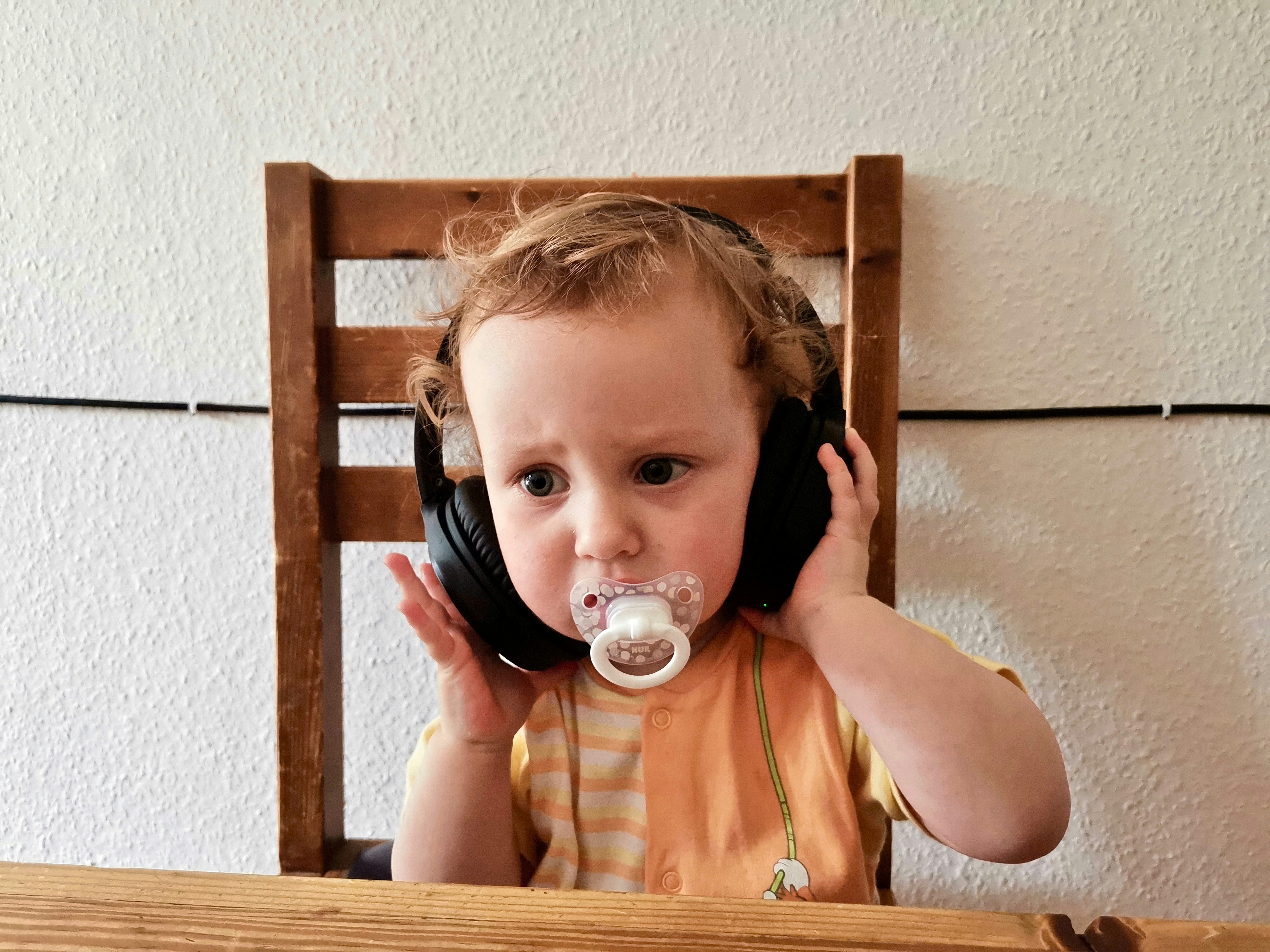
Between ages two and three, speech takes a leap. This is when toddlers move from naming objects to forming short, meaningful sentences. Kids start using pronouns like “me” and “you,” and basic verbs and adjectives sneak in “I want big ball” or “Mama go home.” These aren’t just cute phrases they show a growing ability to organize thoughts and connect words with purpose.
At this stage, language becomes personal. Children use words to express not just needs (“more juice”) but also feelings and simple questions (“Where Daddy go?”). It’s a turning point: the moment language shifts from imitation to interaction.
Playtime plays a big role here. When kids act out stories with dolls or blocks, or when you join in role play with them, they’re practicing new vocabulary in motion. Reading picture books together also ramps up development. Those back and forth conversations naming things, guessing what happens next, repeating fun lines build real communication skills.
The best thing parents can do? Stay engaged. Respond to your child’s words, build on them, and turn every interaction into a mini conversation. You don’t need fancy tools. Just attention, repetition, and patience.
3 to 5 Years: Mastering Conversation
By age three, kids start tightening up their grammar. Sentences stretch out. Pronunciation smooths. What used to sound like guesswork turns into something closer to real conversation. It’s not perfect but it’s clear they’re thinking before they speak.
Around this stage, storytelling pops up. By five, many children can describe events in order, giving their version of a walk to the park or what happened at lunch. Their language starts carrying logic. It’s a big deal.
One thing that skyrockets? Questions. The infamous ‘why’ phase kicks in hard. It’s curiosity on overdrive and it matters. These questions help build vocabulary and mental connections. Rather than dodging them, it pays to answer with patience (and reality checks).
There’s also a growing link between what they say and how they feel. Language becomes a way to name emotions: happy, mad, tired, scared. This overlap with emotional development is no accident it’s how kids start regulating feelings and making sense of social cues.
Want to go deeper on that piece of the puzzle? Browse this guide: Understanding Social Emotional Skills in Early Years.
Language Red Flags to Watch For
It’s easy to assume kids just develop on their own timeline and often, they do. But there are a few signs that shouldn’t be brushed off. If a child isn’t babbling by 7 months, that’s worth paying attention to. Babbling is more than cute noise it’s early language practice.
No recognizable words by 18 months? That’s another marker to watch. Similarly, if a child doesn’t follow simple directions by age 2 things like “give me the ball” or “come here” it could signal a delay in understanding language, not just speech.
Also, take note of social behavior. Language is social at its core. If a child shows limited interest in playing with others or doesn’t engage in back and forth interaction, even without words, it might point to deeper communication challenges.
Bottom line: trust your instincts, but don’t wait too long. When in doubt, have a conversation with your pediatrician or a licensed speech language pathologist. Early support can make all the difference.
How Parents Can Support Every Stage
You don’t need a degree in linguistics to help your child talk. Start simple: talk early, talk often. Describe what you’re doing, ask questions even if your baby can’t answer yet. Kids soak up language by hearing it used with purpose.
Repetition isn’t boring. In fact, it’s how language sticks. Songs, favorite books, or short phrases repeated throughout the day help children map sounds to meaning. It’s not about inventing new ways to say things it’s about saying important things again and again.
Reading aloud every day is a huge win. Choose books that reflect your child’s world and introduce them to others. Bright pictures and fun rhythms work for little ones, while older kids flourish with stories that stretch imagination and vocabulary. Don’t stress over big words embrace them.
Along the way, celebrate the small stuff. A new word. A more complete sentence. A funny question. These are milestones and they matter. Helping your child grow language isn’t about memorizing flashcards. It’s about showing up, talking, listening, and noticing progress.
Language growth is a journey and in 2026, parents have more access to tools, insights, and resources than ever before. While each child develops uniquely, staying informed means staying empowered.
 Veslina Elthros is the kind of writer who genuinely cannot publish something without checking it twice. Maybe three times. They came to family activities and bonding ideas through years of hands-on work rather than theory, which means the things they writes about — Family Activities and Bonding Ideas, Child Development Resources, Parenting Tips and Advice, among other areas — are things they has actually tested, questioned, and revised opinions on more than once.
That shows in the work. Veslina's pieces tend to go a level deeper than most. Not in a way that becomes unreadable, but in a way that makes you realize you'd been missing something important. They has a habit of finding the detail that everybody else glosses over and making it the center of the story — which sounds simple, but takes a rare combination of curiosity and patience to pull off consistently. The writing never feels rushed. It feels like someone who sat with the subject long enough to actually understand it.
Outside of specific topics, what Veslina cares about most is whether the reader walks away with something useful. Not impressed. Not entertained. Useful. That's a harder bar to clear than it sounds, and they clears it more often than not — which is why readers tend to remember Veslina's articles long after they've forgotten the headline.
Veslina Elthros is the kind of writer who genuinely cannot publish something without checking it twice. Maybe three times. They came to family activities and bonding ideas through years of hands-on work rather than theory, which means the things they writes about — Family Activities and Bonding Ideas, Child Development Resources, Parenting Tips and Advice, among other areas — are things they has actually tested, questioned, and revised opinions on more than once.
That shows in the work. Veslina's pieces tend to go a level deeper than most. Not in a way that becomes unreadable, but in a way that makes you realize you'd been missing something important. They has a habit of finding the detail that everybody else glosses over and making it the center of the story — which sounds simple, but takes a rare combination of curiosity and patience to pull off consistently. The writing never feels rushed. It feels like someone who sat with the subject long enough to actually understand it.
Outside of specific topics, what Veslina cares about most is whether the reader walks away with something useful. Not impressed. Not entertained. Useful. That's a harder bar to clear than it sounds, and they clears it more often than not — which is why readers tend to remember Veslina's articles long after they've forgotten the headline.