
Why Play Isn’t Just Fun and Games
Play isn’t optional it’s how kids are wired to grow. Long before structured learning or test scores show up, play is laying the groundwork for emotional control, sharp thinking, and memory strength. Whether it’s pretending to be astronauts or figuring out how to share the last swing on the playground, kids are learning by doing. No worksheets required.
Imaginative play builds creativity. Physical games teach boundaries and self control. Messy, unstructured exploration primes the brain for problem solving under pressure. Even a simple game of hide and seek packs a punch: it’s spatial awareness, patience, and emotional regulation rolled into one.
Fast forward to 2026, and research keeps backing this up. The latest neurodevelopmental studies confirm that playful interactions in early childhood carve lasting circuits in the brain circuits tied to resilience, empathy, and learning flexibility later in life. In short: play is serious business, and leaving it out is a mistake we can’t afford.
Cognitive Growth Through Play
Unstructured play isn’t wasted time it’s mental training. When kids stack blocks, build forts, or make up worlds with dolls and action figures, they’re fine tuning cognitive skills without realizing it. These moments strengthen planning, sequencing, and working memory. There’s no roadmap in pretend play, so they learn to create one. That’s invaluable.
Role play and make believe do more than spark creativity. They sharpen symbolic thinking the ability to let one thing stand for another. That’s the same muscle used in reading, math, and problem solving. Add language into the mix, and you’ve got a potent ground for vocabulary growth and sentence structure. It’s not just play; it’s prep for literacy.
Board games and puzzles come in as another quiet powerhouse. They train the brain to recognize patterns, weigh options, follow rules, and make decisions. Each turn is a soft lesson in logic, patience, and consequence. Skip the flashcards deal the cards.
Emotional Intelligence Starts on the Playground
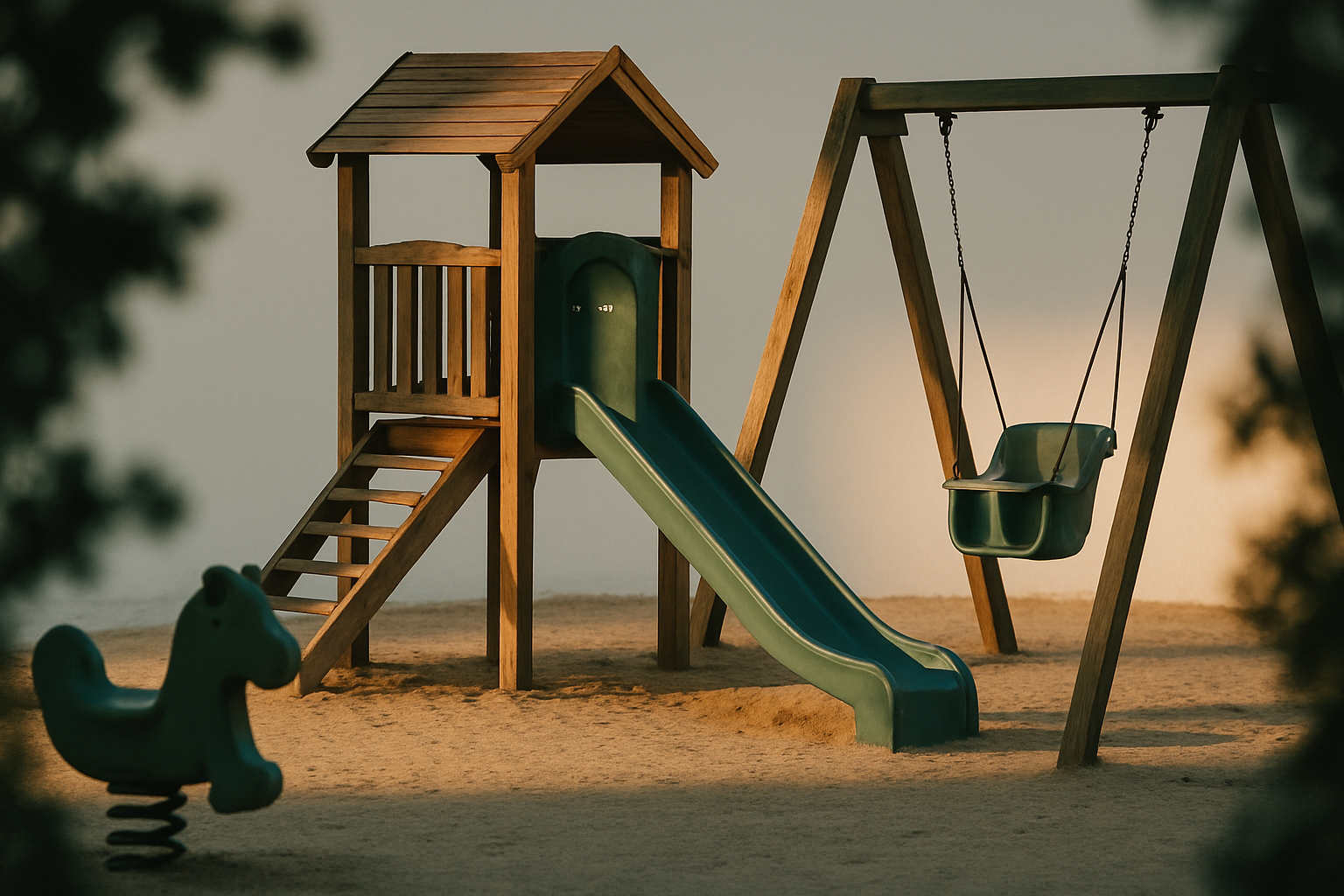
Play isn’t just how kids blow off steam it’s where they figure out how society works. When children build forts, trade roles, or chase each other around, they’re learning essential rules of engagement. Boundaries. Empathy. Conflict resolution. In other words, some of the most complex social emotional skills get their trial runs during recess and floor time.
Rough and tumble play, often misunderstood as rowdy or aggressive, is actually one of the safest stages for emotional development. It teaches control how to push but not hurt, how to read another’s cues and adjust. These moments help kids regulate big emotions and recover from setbacks without spiraling.
And then there are the simple games with powerful lessons. Turn taking teaches patience. Losing gracefully sharpens tolerance. All of it nudges kids toward resilience and flexibility the kinds of skills that aren’t graded, but matter for life. The playground is a sandbox for emotional intelligence, and it’s open daily.
Brain Science Confirms the Power of Play
The neuroscience is clear: play wires the brain. In 2026, studies show that young children who engage in regular, varied play develop stronger neural connectivity particularly in areas tied to learning, memory, and emotional control. The more consistent the play, the deeper the impact.
One critical region that lights up during play is the prefrontal cortex. It’s the command center for executive function things like decision making, impulse control, and self regulation. When kids build forts, take on pretend roles, or solve small challenges through trial and error, this part of the brain gets real exercise. Bouncing between ideas, negotiating rules, and adapting strategies forces the brain to stay flexible and sharp.
But not all play is created equal. Open ended activities think dress up, block towers, or sandbox storytelling do more for development than passive screen time. The key is that the play is child led, not pre scripted. When kids take the lead, they build critical thinking and creativity in the process.
(For an equally vital trigger of brain development, read How Nutrition Impacts Brain Growth in Children)
Helping Children Thrive Through Intentional Play
Play isn’t just child’s work it’s a joint effort. When adults lean in with curiosity instead of control, big things happen. Asking open ended questions like, “What do you think will happen next?” or “Why did you choose that?” shifts play into a learning zone. It invites kids to think critically, explain their reasoning, and stretch their imaginations, all without crushing the fun.
But it’s not just about talking it’s about rhythm and movement, too. Music naturally syncs with brain development. Dance, jumping games, and freeform motion create stronger mind body connections and help regulate emotions. Outdoor play adds in the wild card of nature, bringing unpredictability and sensory richness that no app or screen can replicate.
As a result, more schools in 2026 are waking up. Recess is being extended. Rigid academic structures are loosening. There’s a growing shift toward play based curriculums not just in pre K, but all the way through elementary years. The data backs it: better focus, improved mental health, deeper learning. Turns out, giving kids time to move, laugh, and build pirate ships out of sticks may be one of the smartest educational decisions we can make.
Actionable Takeaway
If there’s one thing parents, educators, and policymakers should take seriously, it’s this: kids need more room to play and far fewer restrictions while doing it. The evidence isn’t vague anymore. Unstructured play fosters stronger brains, steadier emotions, better problem solvers. Want kids who bounce back from setbacks? Let them explore. Want focus, patience, and creativity? Stop scripting every minute of their day.
The goal isn’t chaos it’s freedom with purpose. Build environments that invite curiosity. Spaces with open ended materials, flexible rules, and the chance to work things out with peers. Let them get messy. Let them invent worlds. Adults still matter but more as gentle guides than traffic cops.
It’s time to trust that play isn’t the break from learning. It’s the engine that drives it.
 Hector Glassmanstiff writes the kind of family activities and bonding ideas content that people actually send to each other. Not because it's flashy or controversial, but because it's the sort of thing where you read it and immediately think of three people who need to see it. Hector has a talent for identifying the questions that a lot of people have but haven't quite figured out how to articulate yet — and then answering them properly.
They covers a lot of ground: Family Activities and Bonding Ideas, Child Development Resources, Parenting Tips and Advice, and plenty of adjacent territory that doesn't always get treated with the same seriousness. The consistency across all of it is a certain kind of respect for the reader. Hector doesn't assume people are stupid, and they doesn't assume they know everything either. They writes for someone who is genuinely trying to figure something out — because that's usually who's actually reading. That assumption shapes everything from how they structures an explanation to how much background they includes before getting to the point.
Beyond the practical stuff, there's something in Hector's writing that reflects a real investment in the subject — not performed enthusiasm, but the kind of sustained interest that produces insight over time. They has been paying attention to family activities and bonding ideas long enough that they notices things a more casual observer would miss. That depth shows up in the work in ways that are hard to fake.
Hector Glassmanstiff writes the kind of family activities and bonding ideas content that people actually send to each other. Not because it's flashy or controversial, but because it's the sort of thing where you read it and immediately think of three people who need to see it. Hector has a talent for identifying the questions that a lot of people have but haven't quite figured out how to articulate yet — and then answering them properly.
They covers a lot of ground: Family Activities and Bonding Ideas, Child Development Resources, Parenting Tips and Advice, and plenty of adjacent territory that doesn't always get treated with the same seriousness. The consistency across all of it is a certain kind of respect for the reader. Hector doesn't assume people are stupid, and they doesn't assume they know everything either. They writes for someone who is genuinely trying to figure something out — because that's usually who's actually reading. That assumption shapes everything from how they structures an explanation to how much background they includes before getting to the point.
Beyond the practical stuff, there's something in Hector's writing that reflects a real investment in the subject — not performed enthusiasm, but the kind of sustained interest that produces insight over time. They has been paying attention to family activities and bonding ideas long enough that they notices things a more casual observer would miss. That depth shows up in the work in ways that are hard to fake.