
Why Positive Reinforcement Works in 2026
Confidence doesn’t appear out of thin air. It’s built, moment by moment, when kids feel seen, valued, and capable. That means parents and caregivers have more power than they realize. A short, simple “I noticed you helped your sister without being asked,” can stick with a child much longer than a loud scolding.
Neuroscience backs this up. The developing brain learns better through reward based signals than threats or fear. Encouragement fires up the parts of the brain responsible for learning and emotional growth. Punishment? It mostly triggers stress responses. Parents who lean into positive reinforcement are helping wire their kids to respond better, think clearer, and feel safer.
When kids are driven by internal motivation not by the fear of messing up they act with more curiosity and resilience. They’re willing to try again. They’re not stuck avoiding mistakes just to dodge a lecture. Positive reinforcement isn’t just being nice. It’s laying the groundwork for self belief that lasts beyond childhood.
The key to positive reinforcement is catching the moment not after the fact, not hours later. When your kid does something good, say something right then. You don’t need to make a big production out of it. Just look them in the eye and let them know you saw it. That quick acknowledgment? It sticks.
But don’t just say “Good job” and move on. That falls flat. Instead, be specific. “You worked hard on that puzzle,” tells them their effort matters. It helps them connect the dots: hard work = progress = pride. Focus on behaviors they can repeat not traits they were born with. The goal is to reinforce choices, not crown them as gifted.
And yes, tone it down. Kids know fake praise when they hear it. If you throw out compliments for every little thing, the big stuff loses its impact. Save the spotlight for moments that count. Praise should feel earned, not automatic. Overdoing it turns it into background noise.
Bottom line: celebrate effort, not just talent. Kids need to know that trying matters even when the results aren’t perfect. That mindset builds grit. And grit builds confidence.
Daily Routines That Build Confidence
Confidence doesn’t come from the occasional pep talk it’s built in the small, steady moments of the day. Start with the morning. A calm, predictable morning routine does more than get kids out the door. It gives them a sense of control and purpose before the day even begins. A five minute chat, a smile over breakfast it all sets the tone.
Throughout the day, look for small wins and call them out. Not every success needs to be a spelling bee trophy. Tying shoes on the first try, solving a sibling squabble without yelling these are moments worth highlighting. When kids see that the effort matters, confidence follows.
At bedtime, take two minutes to ask one simple question: “What’s something you felt good about today?” Let them do the talking. You’re not hunting for the ‘right’ answer just helping them anchor to something that made them feel capable. That reflection, done regularly, adds up.
Finally, build autonomy into the routine. Offer age appropriate choices what to wear, what snack to pack, or which book to read. It’s not about total freedom, but letting them experience decision making in safe ways. The message is clear: their input matters.
Stack those routines day by day, and you build more than habits. You build belief.
Common Mistakes and How to Avoid Them
Positive reinforcement only works when it’s used with some thought. Too often, parents confuse praise with rewards and that’s where things start to unravel. If every kind word is tied to a toy, a snack, or a prize, kids start chasing the reward, not the growth. They perform, not because they’re proud of what they did, but because they want the next sticker. This wires them for short term motivation and weakens their confidence in doing something just because it matters.
Another pitfall: praising only the outcome. Telling your kid, “You got an A, good job,” feels nice, but it misses the point. What got them there? Long nights studying? Asking questions on things they didn’t understand? That’s the stuff you need to point out because that’s what builds grit. Effort based praise sounds like: “You stuck with that math problem for 15 minutes. That’s focus.”
Then there’s the comparison trap. Saying, “You’re better than your brother at reading,” sets off a quiet competition that corrodes both kids’ confidence. The one “on top” feels pressure to stay there. The other learns they’re second best. Neither wins.
Finally, inconsistency is the silent killer. If one day you acknowledge effort and the next you ignore it, the message gets fuzzy. Kids thrive on patterns. Reinforce the good, consistently and calmly. It doesn’t need to be loud or over the top just steady and sincere.
For more on this, check out The Power of Consistent Parenting: Why It Matters.
Long Term Benefits for Your Child
Confidence isn’t a quick fix it’s a long game. But when you use positive reinforcement consistently, the benefits add up in a big way.
First, resilience. Confident kids don’t crumble when things go sideways. They’re more likely to see setbacks as part of learning, not proof that they’re not good enough. That one skill alone rebounding from failure sets them apart as they grow.
Second, internal motivation. When kids trust their own abilities, they stop doing things just to please others. They start doing the hard stuff because they believe they can. You’ll see it when they buckle down on homework without being pushed or keep practicing even after striking out.
Third, relationships improve. Confidence cools reactivity. Kids who feel secure in themselves don’t get defensive as quickly, and they tend to listen better. They also show more empathy because when they’re not worried about their own worth, they have space to care about others.
And long term? The snowball effect pays off. More focus in school. More emotional control with peers. More courage to take on challenges in middle school and beyond. These aren’t just wins for now they’re the foundation for who your child becomes.
Quick Tips for Parents in 2026
Perfection isn’t the goal growth is. Kids don’t need to nail it on the first try; they need space to try, fail, get back up, and keep going. That starts with praising grit, not just results. Say things like, “You kept going even when it got tough” instead of “That’s perfect.”
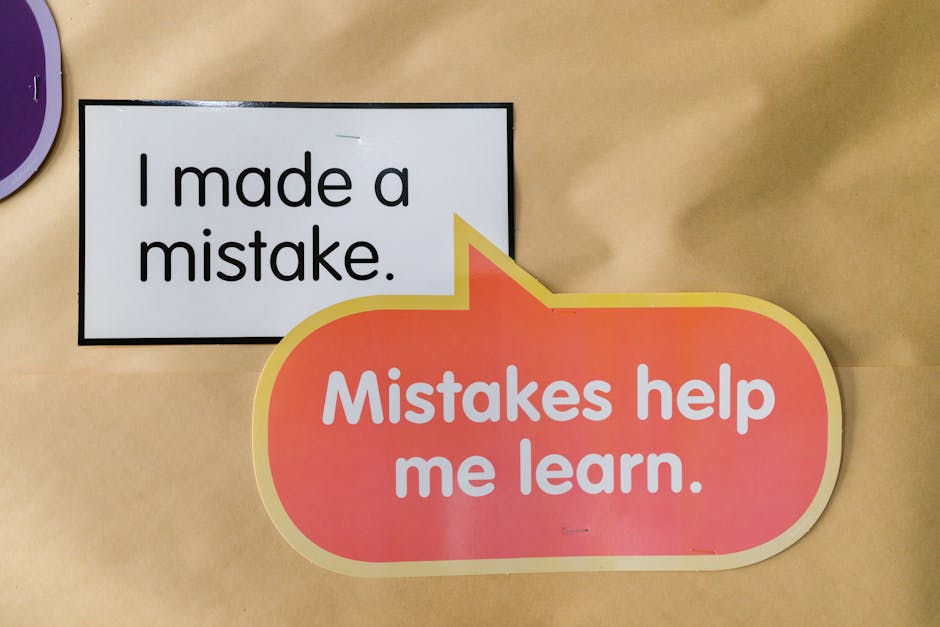
Mistakes? Let them happen. They’re not setbacks they’re the material confidence is built from. When kids see that messing up doesn’t lead to criticism or withdrawal, they become more resilient. They learn their worth isn’t tied to flawless performance.
Your job is to be their mirror. Reflect back the strengths you see kindness, curiosity, determination. These affirmations don’t need to be over the top. Just consistent and real. Kids remember what we repeat.
And above all, keep your tone steady. Calm, consistent parenting teaches kids emotional stability. They trust more, try more, believe more in themselves. Because when a child sees that their effort matters, and their mistakes don’t define them, confidence stops being a lesson and starts being a way of life.
 Hector Glassmanstiff writes the kind of family activities and bonding ideas content that people actually send to each other. Not because it's flashy or controversial, but because it's the sort of thing where you read it and immediately think of three people who need to see it. Hector has a talent for identifying the questions that a lot of people have but haven't quite figured out how to articulate yet — and then answering them properly.
They covers a lot of ground: Family Activities and Bonding Ideas, Child Development Resources, Parenting Tips and Advice, and plenty of adjacent territory that doesn't always get treated with the same seriousness. The consistency across all of it is a certain kind of respect for the reader. Hector doesn't assume people are stupid, and they doesn't assume they know everything either. They writes for someone who is genuinely trying to figure something out — because that's usually who's actually reading. That assumption shapes everything from how they structures an explanation to how much background they includes before getting to the point.
Beyond the practical stuff, there's something in Hector's writing that reflects a real investment in the subject — not performed enthusiasm, but the kind of sustained interest that produces insight over time. They has been paying attention to family activities and bonding ideas long enough that they notices things a more casual observer would miss. That depth shows up in the work in ways that are hard to fake.
Hector Glassmanstiff writes the kind of family activities and bonding ideas content that people actually send to each other. Not because it's flashy or controversial, but because it's the sort of thing where you read it and immediately think of three people who need to see it. Hector has a talent for identifying the questions that a lot of people have but haven't quite figured out how to articulate yet — and then answering them properly.
They covers a lot of ground: Family Activities and Bonding Ideas, Child Development Resources, Parenting Tips and Advice, and plenty of adjacent territory that doesn't always get treated with the same seriousness. The consistency across all of it is a certain kind of respect for the reader. Hector doesn't assume people are stupid, and they doesn't assume they know everything either. They writes for someone who is genuinely trying to figure something out — because that's usually who's actually reading. That assumption shapes everything from how they structures an explanation to how much background they includes before getting to the point.
Beyond the practical stuff, there's something in Hector's writing that reflects a real investment in the subject — not performed enthusiasm, but the kind of sustained interest that produces insight over time. They has been paying attention to family activities and bonding ideas long enough that they notices things a more casual observer would miss. That depth shows up in the work in ways that are hard to fake.