
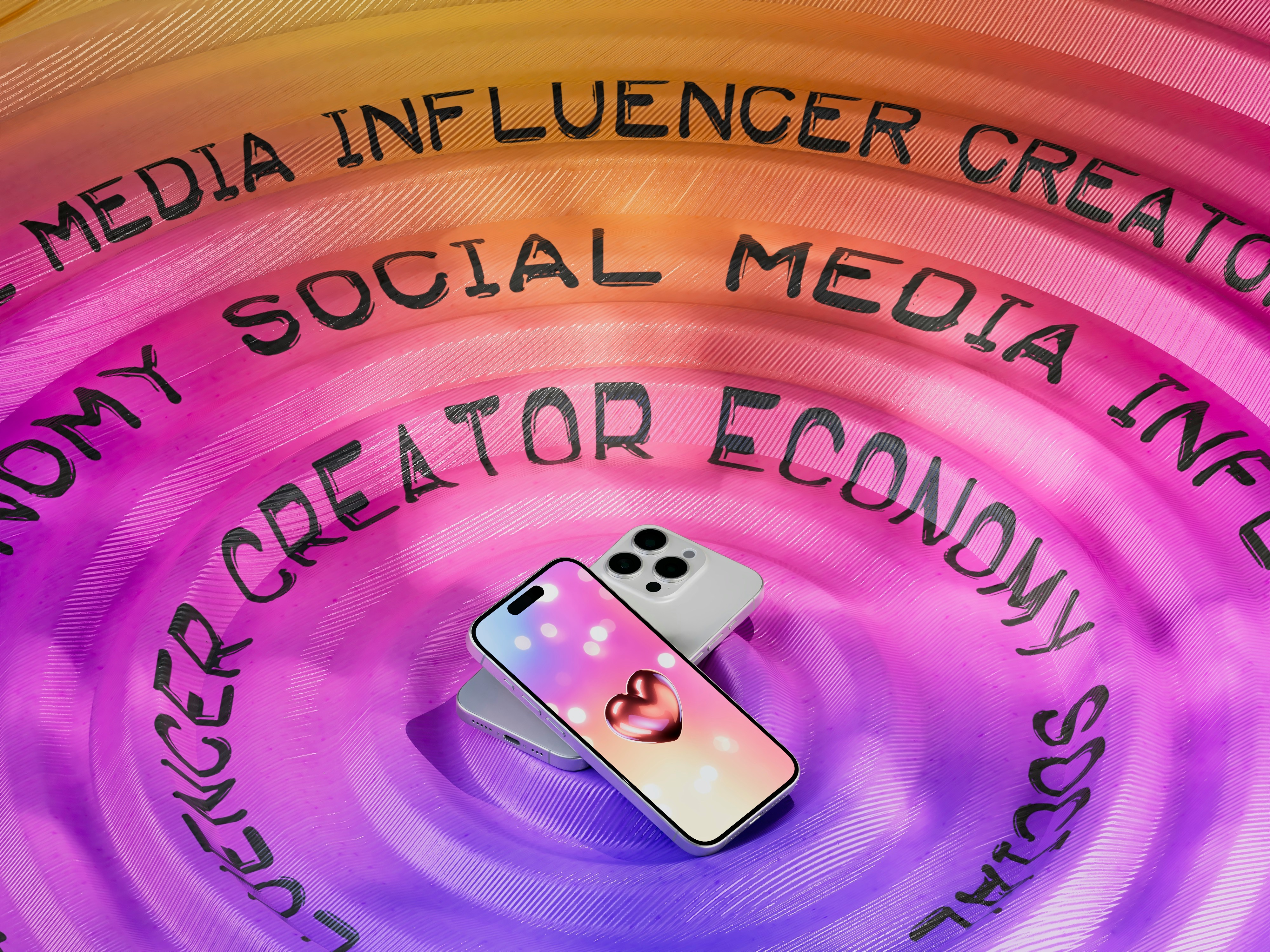
The way people communicate online has changed dramatically over the years. Long text posts and formal conversations have gradually been replaced by faster, more visual forms of communication. Today, memes sit at the center of internet culture because they allow people to express thoughts, emotions, and reactions instantly.
A meme can explain frustration, excitement, sarcasm, exhaustion, or humor within seconds. That efficiency is exactly why memes continue dominating social media platforms, group chats, forums, and even marketing campaigns. They simplify communication in a world where attention spans are shorter and content moves faster than ever.
What makes meme culture even more interesting is how accessible it has become. You no longer need advanced editing skills or professional design experience to participate. Platforms that let users create your own meme have made content creation simple enough for anyone with a creative idea and an understanding of internet humor.
But memes are more than quick jokes. They have evolved into a genuine form of digital communication that shapes online culture every single day.
Why Memes Communicate So Effectively
Memes work because they combine visuals and emotion into a format people can process immediately.
When users scroll through social media, they rarely stop for long explanations or detailed posts. Memes succeed because they deliver their message instantly.
A strong meme usually includes:
- A familiar situation
- A recognizable emotional reaction
- Minimal text
- Clear visual context
This combination allows audiences to understand the joke or message within seconds.
In many cases, memes communicate emotions more efficiently than words alone.
The Emotional Power of Relatable Content
Relatability is one of the biggest reasons memes spread so quickly online.
People naturally connect with content that reflects their own experiences. A meme about procrastination, awkward social interactions, or workplace burnout becomes powerful because viewers instantly recognize themselves in it.
That emotional recognition creates engagement.
When people feel understood, they are far more likely to:
- Share the content
- Tag friends
- Save it
- Use it in conversations
The internet rewards content that creates emotional familiarity, and memes are exceptionally good at doing that.
How Memes Changed Online Conversations
Before meme culture became mainstream, online communication relied more heavily on text-based discussions. Today, reaction memes and visual humor often replace entire conversations.
Instead of explaining feelings directly, people send memes to communicate:
- Stress
- Excitement
- Sarcasm
- Disappointment
- Motivation
- Social awkwardness
Memes function almost like emotional shortcuts.
This shift has transformed internet communication into something faster, more visual, and more emotionally expressive.
Why Simplicity Is the Key to Great Memes
One of the biggest misconceptions about memes is that they need to be highly creative or visually advanced.
In reality, the best memes are often extremely simple.
Internet audiences consume content quickly, especially on mobile devices. If a meme requires too much effort to understand, users usually scroll past it immediately.
Simple memes perform better because they:
- Focus on one idea
- Use recognizable formats
- Avoid unnecessary details
- Deliver instant clarity
Overcomplicating the joke often weakens the emotional impact.
The most effective memes are easy to understand at first glance.
How Meme Formats Create Shared Understanding
Popular meme formats become powerful because audiences already understand the structure.
For example:
- Reaction images instantly communicate emotion
- Comparison memes create predictable humor setups
- Screenshot memes feel conversational and authentic
Once a format becomes recognizable, creators can easily adapt it to new situations while audiences immediately understand the context.
This repeatability is one reason meme culture spreads so effectively across different communities and platforms.
Why Brands Started Using Memes
Brands once relied almost entirely on polished advertisements and carefully scripted messaging. But as internet culture evolved, audiences became more resistant to traditional promotional content.
Memes offered a different approach.
Instead of feeling like advertising, memes feel like participation in online culture. Brands that use humor naturally often appear more relatable and approachable.
Successful meme marketing works because it:
- Feels authentic
- Matches platform culture
- Encourages sharing
- Creates emotional connection
However, meme marketing can also fail quickly if it feels forced or disconnected from internet culture.
Audiences appreciate humor that feels natural, not manufactured.
The Importance of Timing in Meme Culture
Timing is one of the most important elements of meme success.
Internet trends move quickly, and meme formats can become outdated within days. Creators who understand timing often gain the most engagement because they participate in conversations while they are still relevant.
However, not every successful meme depends on trends.
Some memes remain popular for years because they focus on timeless human experiences people consistently relate to, such as:
- Anxiety
- Laziness
- Work stress
- Social interactions
- Family dynamics
The strongest meme creators balance current trends with evergreen relatability.
Why Memes Build Strong Communities
Memes create shared identity.
Online communities often form around specific humor styles, interests, or experiences. Meme pages become gathering spaces where audiences feel understood through shared jokes and references.
This is especially common in communities related to:
- Gaming
- Fitness
- Technology
- Student life
- Parenting
- Remote work
- Pop culture
Shared humor strengthens emotional connection between community members.
That sense of belonging keeps audiences engaged over time.
The Future of Meme Communication
As technology continues evolving, meme culture evolves alongside it.
Video memes, AI-generated humor, and interactive formats are becoming increasingly common across platforms like TikTok and Instagram. Yet despite these changes, the foundation of meme culture remains consistent.
People continue responding to:
- Emotional honesty
- Simplicity
- Relatable experiences
- Fast communication
These elements are unlikely to disappear anytime soon.
Conclusion
Memes have become far more than internet entertainment. They are now one of the primary ways people communicate online because they simplify emotions, reactions, and experiences into instantly recognizable content.
Their strength comes from relatability, simplicity, and emotional connection — qualities that resonate deeply in today’s fast-moving digital environment.
As social media and internet culture continue evolving, memes will remain one of the most influential and effective communication tools on the web.
 Hector Glassmanstiff writes the kind of family activities and bonding ideas content that people actually send to each other. Not because it's flashy or controversial, but because it's the sort of thing where you read it and immediately think of three people who need to see it. Hector has a talent for identifying the questions that a lot of people have but haven't quite figured out how to articulate yet — and then answering them properly.
They covers a lot of ground: Family Activities and Bonding Ideas, Child Development Resources, Parenting Tips and Advice, and plenty of adjacent territory that doesn't always get treated with the same seriousness. The consistency across all of it is a certain kind of respect for the reader. Hector doesn't assume people are stupid, and they doesn't assume they know everything either. They writes for someone who is genuinely trying to figure something out — because that's usually who's actually reading. That assumption shapes everything from how they structures an explanation to how much background they includes before getting to the point.
Beyond the practical stuff, there's something in Hector's writing that reflects a real investment in the subject — not performed enthusiasm, but the kind of sustained interest that produces insight over time. They has been paying attention to family activities and bonding ideas long enough that they notices things a more casual observer would miss. That depth shows up in the work in ways that are hard to fake.
Hector Glassmanstiff writes the kind of family activities and bonding ideas content that people actually send to each other. Not because it's flashy or controversial, but because it's the sort of thing where you read it and immediately think of three people who need to see it. Hector has a talent for identifying the questions that a lot of people have but haven't quite figured out how to articulate yet — and then answering them properly.
They covers a lot of ground: Family Activities and Bonding Ideas, Child Development Resources, Parenting Tips and Advice, and plenty of adjacent territory that doesn't always get treated with the same seriousness. The consistency across all of it is a certain kind of respect for the reader. Hector doesn't assume people are stupid, and they doesn't assume they know everything either. They writes for someone who is genuinely trying to figure something out — because that's usually who's actually reading. That assumption shapes everything from how they structures an explanation to how much background they includes before getting to the point.
Beyond the practical stuff, there's something in Hector's writing that reflects a real investment in the subject — not performed enthusiasm, but the kind of sustained interest that produces insight over time. They has been paying attention to family activities and bonding ideas long enough that they notices things a more casual observer would miss. That depth shows up in the work in ways that are hard to fake.