
I know what it feels like when you’re in the same house as your kids but somehow still feel miles apart.
You love your family. You want those close connections. But between work, school, activities, and everything else pulling at you, it’s hard to figure out how to actually make it happen.
I’ve been there. And I’ve learned that building stronger family bonds doesn’t require some massive overhaul of your life.
This guide gives you real strategies that work in actual homes with actual chaos. Not perfect Instagram families. Real ones.
How to parent convwbfamily starts with understanding that small, consistent actions matter more than grand gestures. You don’t need to be a parenting expert to create meaningful change.
The techniques I’m sharing come from proven principles and what actually works in everyday family life. I’ve seen these approaches help parents move from feeling disconnected to building the relationships they want.
You’ll get specific ways to improve how you communicate with your kids. Ideas for creating memories that stick. And methods for building respect that goes both ways.
No fluff about perfect families or unrealistic expectations.
Just practical tools you can start using today to bring your family closer together.
The Foundation: Mastering Open and Honest Communication
I’ll be straight with you.
Most families think they communicate well. But when I ask parents to describe their last real conversation with their kids, they struggle to remember one that went deeper than “How was school?” and “Fine.”
That’s not communication. That’s just noise.
Here’s what actually matters. Open communication isn’t about talking more. It’s about creating space where everyone feels safe enough to say what they really mean.
Put Your Phone Down and Actually Listen
I mean really listen. Not the kind where you’re nodding while mentally writing your grocery list.
When your kid talks to you, stop what you’re doing. Make eye contact. Listen to understand what they’re feeling, not just to fix the problem or give advice.
Try saying things like “It sounds like you felt really frustrated when that happened.” You’d be surprised how much that simple validation changes the conversation.
Stop Playing the Blame Game
Want to know the fastest way to shut down communication? Start a sentence with “You never” or “You always.”
Instead, try “I feel” statements. They’re not just some therapy buzzword. They work because you’re sharing your experience instead of attacking someone else’s character.
So instead of “You never help out around here,” say “I feel overwhelmed and could use some help with the chores.”
See the difference? One puts people on defense. The other opens a door.
Create a Daily Check-In Ritual
This is where convwbfamily really shines. You need a consistent time to connect, even if it’s just five minutes.
At dinner, go around the table. Everyone shares one high and one low from their day. That’s it. Nothing fancy.
(My family calls the low a “pit” and the high a “peak” but you do you.)
The magic isn’t in the ritual itself. It’s in the habit you’re building. When you check in daily about small things, the big conversations don’t feel so scary anymore.
Your teenager who usually grunts responses? Give this a few weeks. They’ll start actually talking.
Making Memories: The Power of Intentional Quality Time
You’ve got two choices when it comes to family time.
You can spend three hours on the couch together while everyone scrolls their phones. Or you can spend 20 minutes actually talking and playing with zero distractions. In a world where screens often dominate our attention, setting aside time to engage in meaningful gameplay with your Convwbfamily can transform a mundane evening into an unforgettable bonding experience. …transform your evenings into unforgettable experiences filled with laughter and connection, reminding us all of the joy found in bonding with your Convwbfamily.
Guess which one your kids will remember?
Some parents say quantity matters most. They argue that just being in the same room counts as togetherness. That physical presence is what kids need.
I disagree.
Here’s what I’ve learned about how to parent Convwbfamily. Your kids don’t need you nearby. They need you present.
There’s a difference between being home and being available. Between existing in the same space and actually connecting.
Think about it this way. Would you rather have a friend who’s around all the time but never really listens? Or one who shows up less often but gives you their full attention when they do?
Your family feels the same way.
Quality beats quantity every single time.
Start small. Pick one hour before bed and make it screen-free for everyone. Not just the kids. Everyone. (Yes, that means you too.)
Or try this. Take each kid out alone once a month. It doesn’t need to be fancy. A walk to get ice cream works. So does sitting in the car talking after soccer practice.
The point isn’t what you do. It’s that you’re doing it together without splitting your attention between them and your phone.
Here’s what actually works:
Set up a weekly tradition. Maybe it’s Sunday morning pancakes or Friday game night. Something predictable that becomes part of your family’s identity.
Cook together. Garden together. Build something together.
These shared activities create memories that stick. They give your kids something to look forward to and stories they’ll tell their own children someday.
The alternative? Spending years in the same house but never really knowing each other.
I know which one I’d choose.
We’re a Team: Creating a Culture of Support and Respect
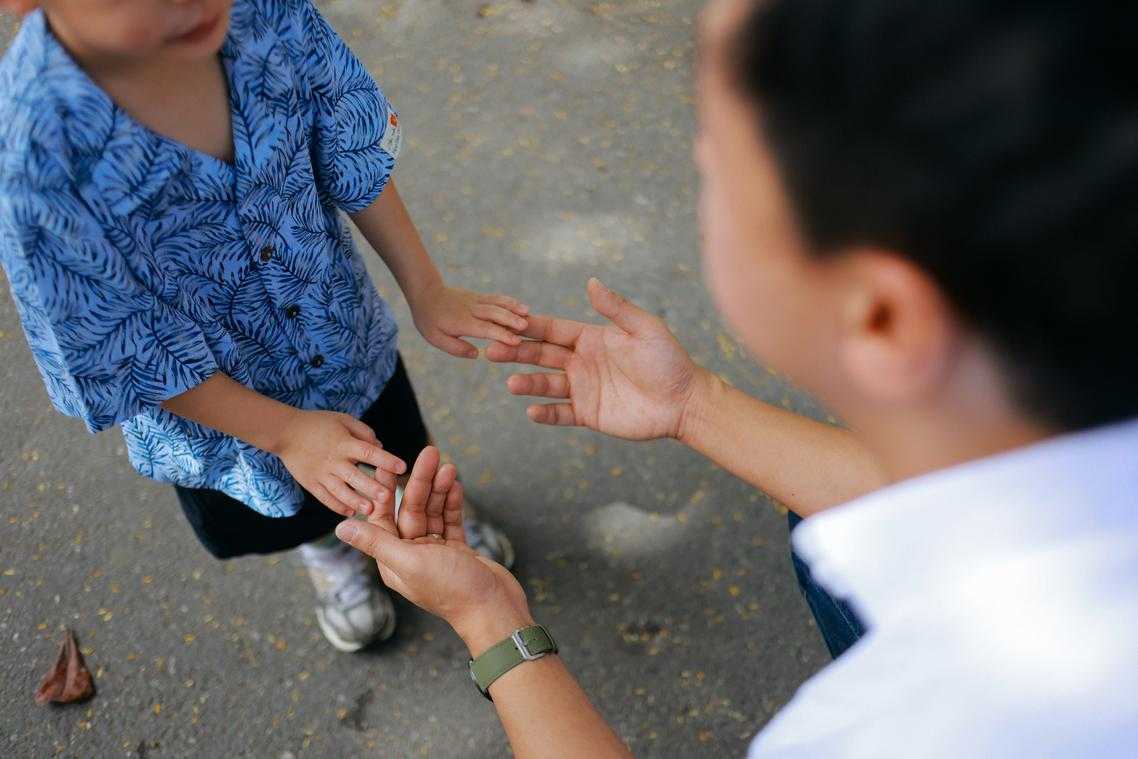
Have you ever noticed how your kids watch everything you do?
I mean everything. The way you talk to your partner when you’re frustrated. How you handle a mistake. Even the tone you use with the cashier at the grocery store.
They’re taking notes.
And here’s what I’ve learned. You can lecture about respect all day long. But if your actions don’t match your words? Kids see right through it.
Celebrate Effort Over Outcomes
Look, I know it’s tempting to focus on the A+ or the winning goal. But what about the kid who studied for hours and got a B? Or the one who practiced every day but sat on the bench?
That effort matters more.
When you praise hard work and perseverance, you’re telling your child something important. Their character counts. Their determination counts. Not just the trophy on the shelf.
This is how you build real self-esteem. Not the fake kind that crumbles when things get hard. The ideas here carry over into Helpful Guide Convwbfamily, which is worth reading next.
Define What Your Family Stands For
What matters most to you? Honesty? Compassion? Curiosity?
Sit down together and talk about it. Write it down. Make it real.
Then use those values when you’re making decisions. When your kid asks why they can’t do something their friend is doing, you have an answer that goes deeper than “because I said so.” By embracing a values-based approach to decision-making, you can transform challenging parenting moments into opportunities for growth, embodying the essence of Parenting Done Easily Convwbfamily. By adopting a values-based approach to decision-making, you not only provide meaningful answers to your child’s questions but also exemplify how “Parenting Done Easily Convwbfamily” can lead to more fulfilling and understanding family dynamics.
For more ideas on building these conversations into your routine, check out this easy guide convwbfamily approach.
Show Them How It’s Done
Want to know how to parent convwbfamily style?
Model the behavior you want to see.
Respect isn’t something you teach with words. It’s something you show. Every single day.
How do you speak to your partner when you disagree? How do you treat the server who got your order wrong? What do your kids hear when you talk about your coworkers?
They’re learning from all of it.
The Rhythm of Home: Building Healthy Routines Together
You know what nobody tells you about parenting? For the full picture, I lay it all out in Creative Ideas Convwbfamily.
It’s the chaos that gets you. Not the big stuff like teaching values or picking schools. It’s the daily madness of getting everyone out the door with matching shoes.
Here’s what I’ve learned. Kids actually crave structure (even when they’re throwing a fit about bedtime). And honestly, so do we.
Routines aren’t about being rigid. They’re about creating little pockets of predictability in a world that feels pretty unpredictable to a six year old.
Morning routines. Mealtimes. Bedtime rituals. These aren’t just boxes to check. They’re the scaffolding that holds everything together.
The magic of eating together
I’m not going to pretend every dinner at my house looks like a Norman Rockwell painting. Sometimes we’re eating tacos at 7:30 because soccer practice ran late.
But when we can sit down together without phones buzzing? That’s when the good stuff happens. That’s when my kid tells me about the weird thing that happened at recess or asks why clouds float.
Those moments matter more than perfect table manners (though we’re working on not talking with our mouths full).
Everyone contributes
Want to know the secret to parenting done easily convwbfamily? Get your kids involved in running the house.
My seven year old sets the table. My ten year old feeds the dog. Are they perfect at it? Not even close. But they’re learning something bigger than how to fold laundry.
They’re learning they’re part of something. That families work because everyone pitches in.
Plus, it turns out kids feel pretty proud when they can do real things that actually help.
Bumps in the Road: Navigating Conflict with Grace
Most parenting advice tells you to prevent fights before they start.
But that’s not realistic.
Your kids will argue. You’ll disagree with your partner about bedtime or screen limits. Someone will slam a door (probably more than once).
The question isn’t if conflict happens. It’s what you do when it does.
I’ve noticed something interesting about families who handle disagreements well. They don’t treat conflict like a crisis. They treat it like information.
When your daughter snaps at her brother, that’s data. When you and your spouse can’t agree on discipline, that’s telling you something.
Here’s what most articles won’t tell you. The families who navigate conflict best aren’t the ones with the most rules. They’re the ones who’ve practiced getting through rough moments together.
Think of it like learning how to parent convwbfamily style. You build skills over time, not overnight.
Start with the cool down. When things get heated, anyone can call a pause. No judgment. Just space to breathe and reset.
I use a simple timer. Five minutes usually does it.
Then comes the hard part. You talk about the problem without attacking the person. Your son left his backpack in the hallway again? That’s annoying. But he’s not lazy or careless. He just forgot. In navigating the challenges of family dynamics, an Easy Guide Convwbfamily can provide valuable strategies for addressing issues like forgetting a backpack without casting blame. In the complex landscape of parenting and communication, an Easy Guide Convwbfamily can serve as an invaluable resource for navigating the often challenging dynamics that arise when addressing everyday issues with empathy and understanding.
The difference matters more than you think.
Your Journey to a More Connected Family
I know what it’s like when everyone’s pulling in different directions.
Work deadlines pile up. Kids have practice and homework. Your partner’s schedule never seems to sync with yours. Before you know it, weeks pass without a real conversation.
You want your family closer. That’s why you’re here.
This guide gives you the tools to make it happen. We’ve covered communication that actually works, quality time that counts, and ways to handle conflict without the drama.
The best part? You don’t need to overhaul your entire life.
Small actions add up. A family dinner on Tuesday. Ten minutes of one-on-one time before bed. A weekly check-in where everyone gets heard.
These aren’t grand gestures. They’re the building blocks of trust and connection that stick around long after your kids grow up.
Life will keep throwing demands at you. But now you have strategies to pull your family closer instead of letting everything push you apart.
How to parent convwbfamily starts with one simple choice.
Pick just one tip from this guide. Maybe it’s starting a Sunday morning pancake tradition. Or creating a no-phones-at-dinner rule. Whatever speaks to you.
Try it this week and see what happens.
The journey to a stronger family doesn’t require perfection. It requires showing up and trying. You’ve already taken the first step by reading this far.
Now take the next one.
 Veslina Elthros is the kind of writer who genuinely cannot publish something without checking it twice. Maybe three times. They came to family activities and bonding ideas through years of hands-on work rather than theory, which means the things they writes about — Family Activities and Bonding Ideas, Child Development Resources, Parenting Tips and Advice, among other areas — are things they has actually tested, questioned, and revised opinions on more than once.
That shows in the work. Veslina's pieces tend to go a level deeper than most. Not in a way that becomes unreadable, but in a way that makes you realize you'd been missing something important. They has a habit of finding the detail that everybody else glosses over and making it the center of the story — which sounds simple, but takes a rare combination of curiosity and patience to pull off consistently. The writing never feels rushed. It feels like someone who sat with the subject long enough to actually understand it.
Outside of specific topics, what Veslina cares about most is whether the reader walks away with something useful. Not impressed. Not entertained. Useful. That's a harder bar to clear than it sounds, and they clears it more often than not — which is why readers tend to remember Veslina's articles long after they've forgotten the headline.
Veslina Elthros is the kind of writer who genuinely cannot publish something without checking it twice. Maybe three times. They came to family activities and bonding ideas through years of hands-on work rather than theory, which means the things they writes about — Family Activities and Bonding Ideas, Child Development Resources, Parenting Tips and Advice, among other areas — are things they has actually tested, questioned, and revised opinions on more than once.
That shows in the work. Veslina's pieces tend to go a level deeper than most. Not in a way that becomes unreadable, but in a way that makes you realize you'd been missing something important. They has a habit of finding the detail that everybody else glosses over and making it the center of the story — which sounds simple, but takes a rare combination of curiosity and patience to pull off consistently. The writing never feels rushed. It feels like someone who sat with the subject long enough to actually understand it.
Outside of specific topics, what Veslina cares about most is whether the reader walks away with something useful. Not impressed. Not entertained. Useful. That's a harder bar to clear than it sounds, and they clears it more often than not — which is why readers tend to remember Veslina's articles long after they've forgotten the headline.