
If you’re looking for the exact location of Paleis Het Loo, the coordinates 52.376552, 5.98303 will take you right to it in Apeldoorn, Netherlands.
Paleis Het Loo is a stunning former Dutch royal palace, now a national museum open to the public. It’s a place where history and beauty come together.
The meticulously restored 17th-century baroque gardens are a sight to behold. The opulent palace interiors and historic stables add to its charm. You can spend hours exploring and still find something new.
This guide will give you all the essential information you need to plan your visit. From ticket prices and opening hours to the must-see attractions, I’ve got you covered.
Trust me, this is one of the most impressive historical sites in the Netherlands. It offers a glimpse into centuries of royal life.
Planning Your Visit: Hours, Tickets, and How to Get There
Let’s start with the basics. The museum is open from 10 AM to 5 PM, every day of the week. In summer, they extend the hours to 6 PM.
Good to know if you’re planning a visit in the warmer months.
Adult tickets are $15, children under 12 get in for $8, and a family pass (two adults and up to three kids) is $40. Booking online can save you a few bucks, so it’s worth checking out.
Now, how do you get there? The palace is at Koninklijk Park 1, 7315 JA Apeldoorn. If you’re driving, there’s plenty of parking available.
Just plug 52.376552,5.98303 into your GPS, and you’ll be good to go.
Alternatively, you can take a train to Apeldoorn station. From there, hop on a local bus. It’s a bit more of a journey, but it’s a scenic one.
Plus, no parking hassles.
Accessibility is key. The palace, gardens, and facilities are all wheelchair-friendly. They’ve done a great job making sure everyone can enjoy the place.
To avoid crowds, aim for weekday mornings. The place is usually quieter then. For the best garden views, spring and early summer are when everything is in full bloom.
Hope this helps!
Inside the Palace: A Walk Through Royal History
Walking through the palace is like stepping into a time machine. The authentically furnished rooms and apartments of the Dutch royal family are meticulously preserved, giving you a real sense of their daily lives.
The apartments of King William III and Queen Mary II are a must-see. These founders of the palace left behind a legacy that’s still felt today. The opulence and attention to detail in these rooms are something else.
You can almost imagine the royal couple strolling through the halls, discussing matters of state.
One of the most impressive things about the palace is its collection of historical artifacts, paintings, and personal objects. These items tell the story of the House of Orange-Nassau in a way that no textbook ever could. It’s not just about looking at pretty things; it’s about understanding the rich history and the people who shaped it.
The stables and coach houses are another highlight. They showcase a magnificent collection of royal carriages, sleighs, and cars used throughout history. It’s fascinating to see how transportation evolved over the centuries. Convwbfamily
Each vehicle has its own story, and you can spend hours exploring them.
If you’re visiting, check if there are any temporary exhibitions or special displays. These often add an extra layer of depth to your experience. They might focus on a specific era, a particular royal, or even a unique aspect of the palace’s history.
It’s always worth a look.
The audio tours are a great way to get more out of your visit. They provide rich historical context and stories about the palace’s former residents. I highly recommend them.
The narratives bring the past to life, making the whole experience more immersive.
Pro tip: Don’t miss the 52.376552,5.98303 coordinates. There’s a hidden gem there that most visitors overlook. It’s a small, quiet spot with a beautiful view and a lot of history.
In short, the palace is more than just a building. It’s a living, breathing part of Dutch history. Whether you’re a history buff or just curious, it’s a place that leaves a lasting impression.
Exploring the Magnificent Baroque Gardens and Park
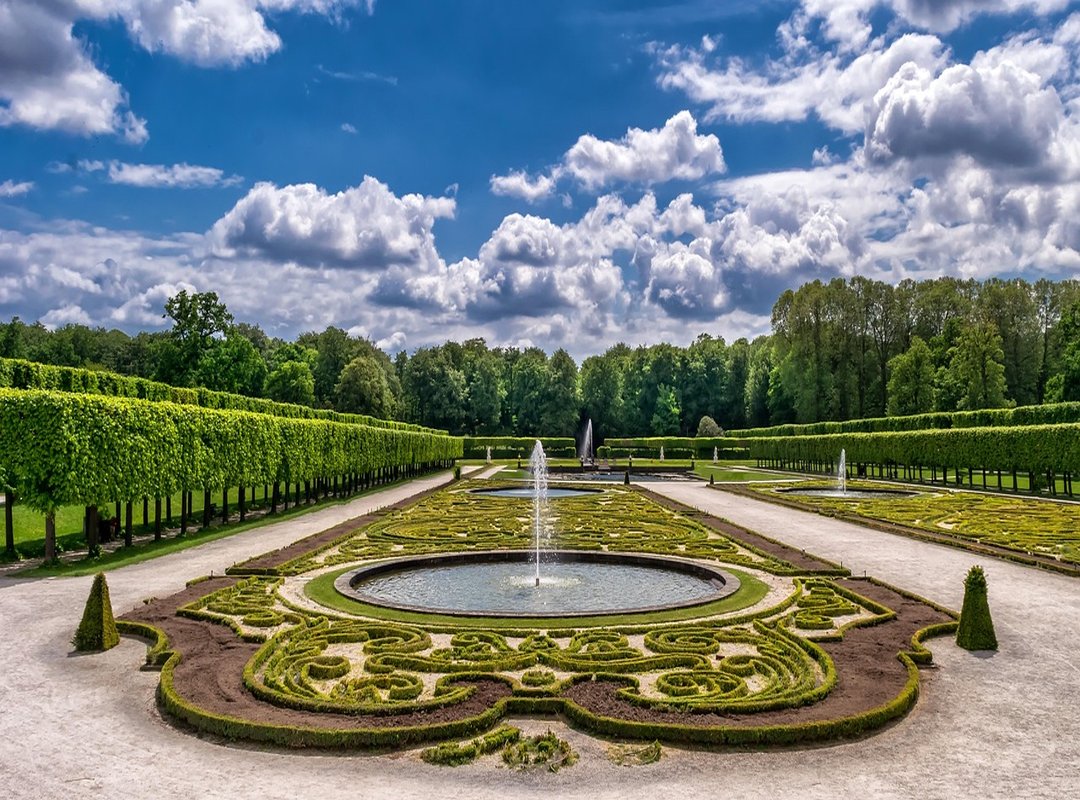
If you’re into history and beauty, these gardens are a must-see. They’re a perfect reconstruction of the original 17th-century design, unique in the Netherlands.
The symmetrical layout is a sight to behold. The Upper and Lower Gardens are meticulously arranged, with ornate fountains and statues of mythological figures adding to the grandeur.
King’s Garden and Queen’s Garden each have their own charm. The King’s Garden boasts a formal, geometric design, while the Queen’s Garden is more intimate, with a variety of colorful flowers and intricate plantings.
For the best photo ops, head to the palace rooftop or the central axis of the garden. These spots offer stunning, unobstructed views that capture the full splendor of the gardens.
Don’t miss the wider Palace Park, a vast forested area. It’s ideal for visitors who want to take a longer walk or bike ride after exploring the main grounds. The coordinates 52.376552,5.98303 will get you right there.
Pro tip: Visit early in the morning or late in the afternoon to avoid the crowds and enjoy the serene atmosphere.
Tips for Making the Most of Your Day at Paleis Het Loo
Strongly recommend purchasing tickets online in advance to skip the lines, especially during peak tourist season and weekends.
Advise visitors to allow at least three to four hours for their visit to fully appreciate both the palace interiors and the extensive gardens without rushing.
Mention the on-site dining options, such as the Grand Café or the restaurant located in the stables, for a convenient lunch or coffee break.
Emphasize the importance of wearing comfortable walking shoes, as a significant amount of walking is required to see everything.
A visit to Paleis Het Loo is an unforgettable experience for anyone interested in history, architecture, and landscape design.
 Hector Glassmanstiff writes the kind of family activities and bonding ideas content that people actually send to each other. Not because it's flashy or controversial, but because it's the sort of thing where you read it and immediately think of three people who need to see it. Hector has a talent for identifying the questions that a lot of people have but haven't quite figured out how to articulate yet — and then answering them properly.
They covers a lot of ground: Family Activities and Bonding Ideas, Child Development Resources, Parenting Tips and Advice, and plenty of adjacent territory that doesn't always get treated with the same seriousness. The consistency across all of it is a certain kind of respect for the reader. Hector doesn't assume people are stupid, and they doesn't assume they know everything either. They writes for someone who is genuinely trying to figure something out — because that's usually who's actually reading. That assumption shapes everything from how they structures an explanation to how much background they includes before getting to the point.
Beyond the practical stuff, there's something in Hector's writing that reflects a real investment in the subject — not performed enthusiasm, but the kind of sustained interest that produces insight over time. They has been paying attention to family activities and bonding ideas long enough that they notices things a more casual observer would miss. That depth shows up in the work in ways that are hard to fake.
Hector Glassmanstiff writes the kind of family activities and bonding ideas content that people actually send to each other. Not because it's flashy or controversial, but because it's the sort of thing where you read it and immediately think of three people who need to see it. Hector has a talent for identifying the questions that a lot of people have but haven't quite figured out how to articulate yet — and then answering them properly.
They covers a lot of ground: Family Activities and Bonding Ideas, Child Development Resources, Parenting Tips and Advice, and plenty of adjacent territory that doesn't always get treated with the same seriousness. The consistency across all of it is a certain kind of respect for the reader. Hector doesn't assume people are stupid, and they doesn't assume they know everything either. They writes for someone who is genuinely trying to figure something out — because that's usually who's actually reading. That assumption shapes everything from how they structures an explanation to how much background they includes before getting to the point.
Beyond the practical stuff, there's something in Hector's writing that reflects a real investment in the subject — not performed enthusiasm, but the kind of sustained interest that produces insight over time. They has been paying attention to family activities and bonding ideas long enough that they notices things a more casual observer would miss. That depth shows up in the work in ways that are hard to fake.